Gisborne has world-class surf beaches, the only place in New Zealand where you can hand-feed wild stingrays, cellar doors pouring award-winning Chardonnay, and enough coastal walks and cultural landmarks to fill a week. This local’s guide covers the best beaches, nature spots, wineries, Maori heritage sites, family activities, and annual events – with insider tips on when to go and what most visitors miss.
- Where Are the Best Beaches and Surf Spots in Gisborne?
- What Nature Walks and Outdoor Adventures Should You Try?
- Which Gisborne Wineries Have Cellar Doors Worth Visiting?
- Gisborne’s Maori Heritage and Cultural Landmarks
- Family-Friendly Activities in Gisborne
- What Events and Festivals Happen in Gisborne?
- What’s the Best Time to Visit Gisborne?
- Frequently Asked Questions
Most people drive straight through Gisborne on their way somewhere else. That’s a mistake.
Gisborne sits on New Zealand’s East Coast as the first city in the world to see each day’s sunrise. It has some of the most consistent surf in the country, a wine region that punches well above its weight, and Maori cultural sites you won’t find anywhere else.
We work at Midway Beach, right in the middle of it all. So we see what visitors do when they get here – and what they wish they’d known before arriving.
This guide covers the best things to do in Gisborne, from beaches and bush walks to wineries and weekend markets. You’ll get specific details on costs, opening hours, and directions – plus the local tips that travel websites don’t mention.
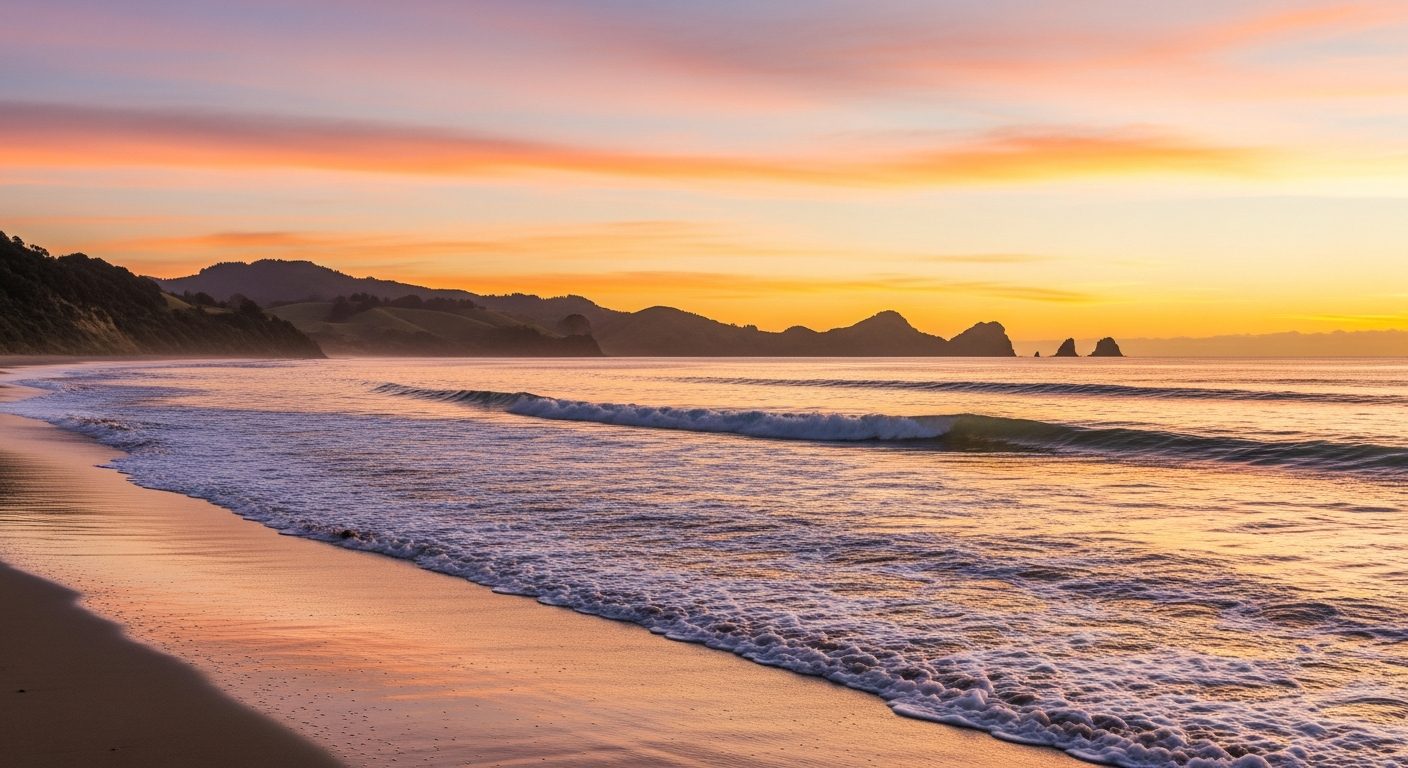
Sunrise over Gisborne’s coastline – the first city in the world to see the light each day
Where Are the Best Beaches and Surf Spots in Gisborne?
Gisborne has five main beaches within 15 minutes of town, and each one suits a different kind of day. You can surf world-class waves before breakfast, swim with the kids after lunch, and snorkel a sheltered bay before dinner.
Wainui Beach
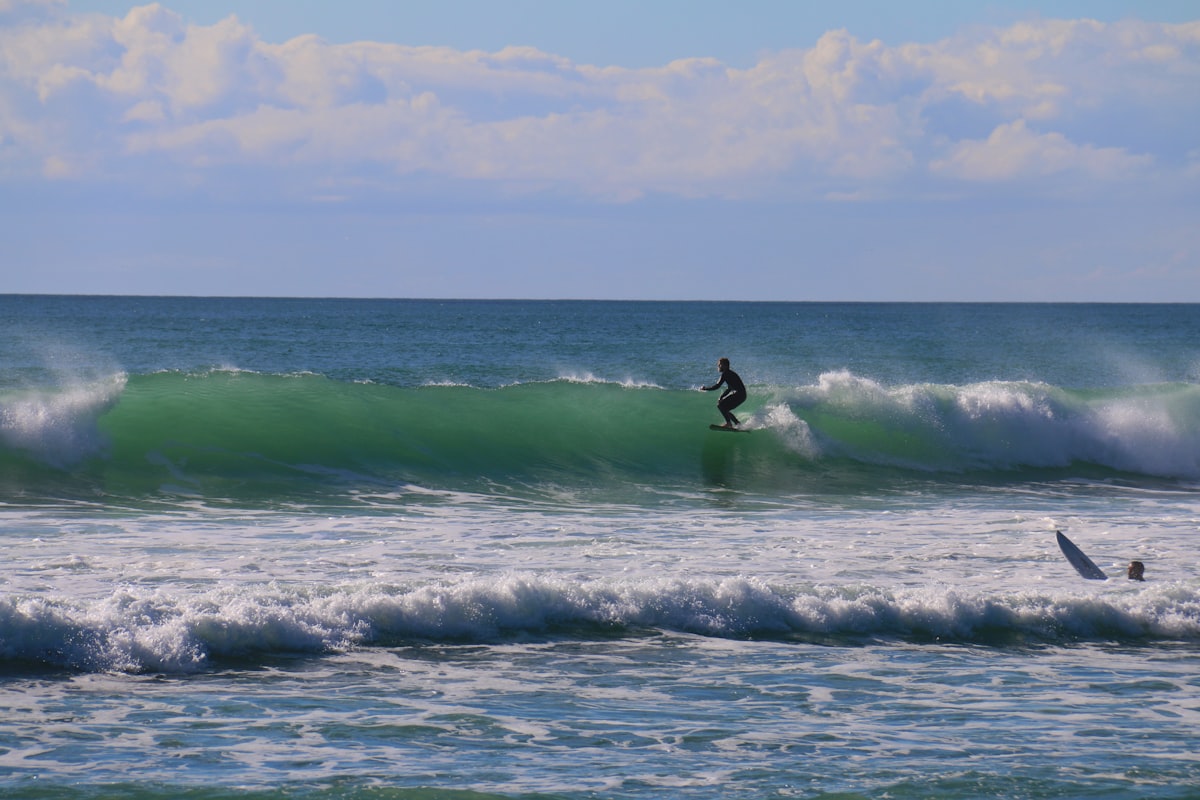
Surfers catching waves at Wainui Beach, one of the most consistent breaks in New Zealand
Wainui Beach is about 8 km north of Gisborne and it’s where the serious surfers go. The beach picks up swell year-round and has multiple peaks along its length – from Whales at the northern end to Stock Route at the south.
Fair warning: Wainui can be dangerous. Strong rips and powerful sweeps run down the beach, especially on bigger days. If you’re learning, stick to the patrolled area near the surf club or head to Makorori instead.
Makorori Beach
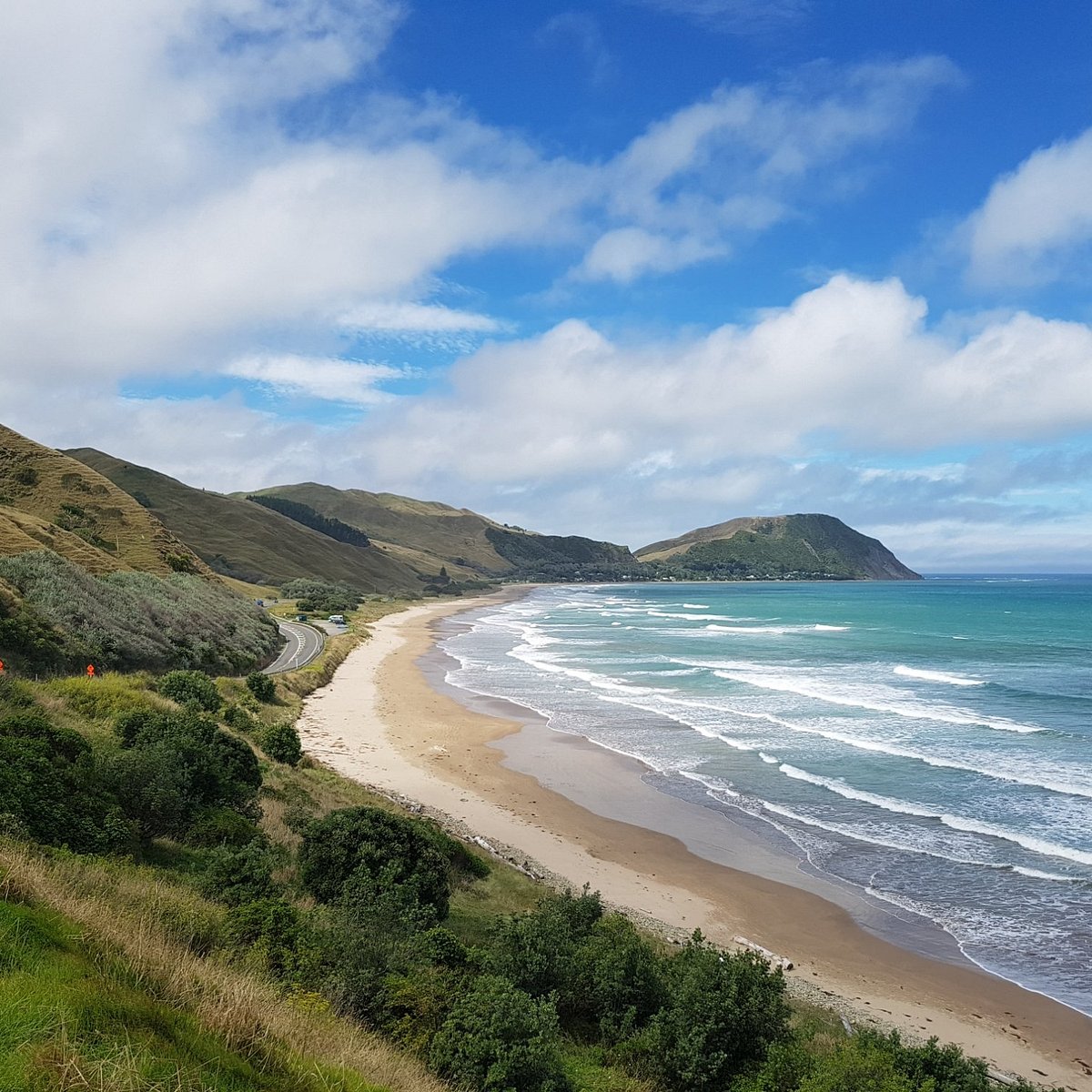
Makorori Beach – consistent surf, green hills, and uncrowded waves north of Gisborne
Makorori sits just north of Wainui and produces the most consistent surf in the region. The sand builds up over a rocky base, so the banks hold their shape for days rather than shifting with every tide.
The southern end has long, soft right-hand waves perfect for longboarders. The northern end is gentler and works well for beginners. Parking is free at the small car park off the main road.
Midway Beach
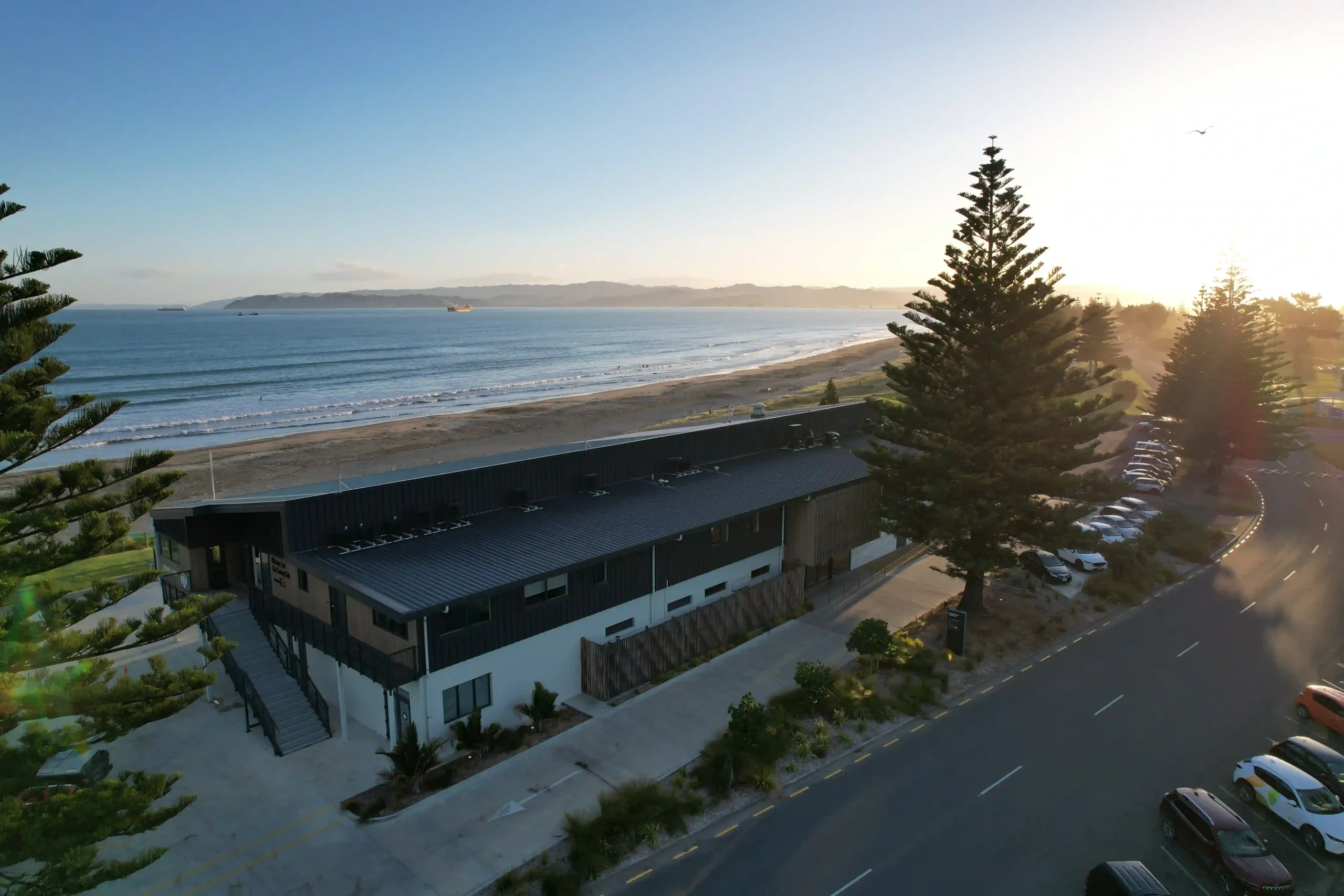
Midway Beach stretches along Poverty Bay with the Midway Hub building visible on the beachfront
Midway Beach is the closest beach to town and the one locals use most. It’s a long stretch of sand running along Centennial Marine Drive, and the surf is more forgiving than Wainui. Midway Pipe, directly in front of the surf club, often has the best-shaped waves.
The beach is family-friendly with safe swimming in calmer conditions. And yes, we’re based right here – Midway Hub sits on the beachfront at 40 Centennial Marine Drive.
Waikanae Beach
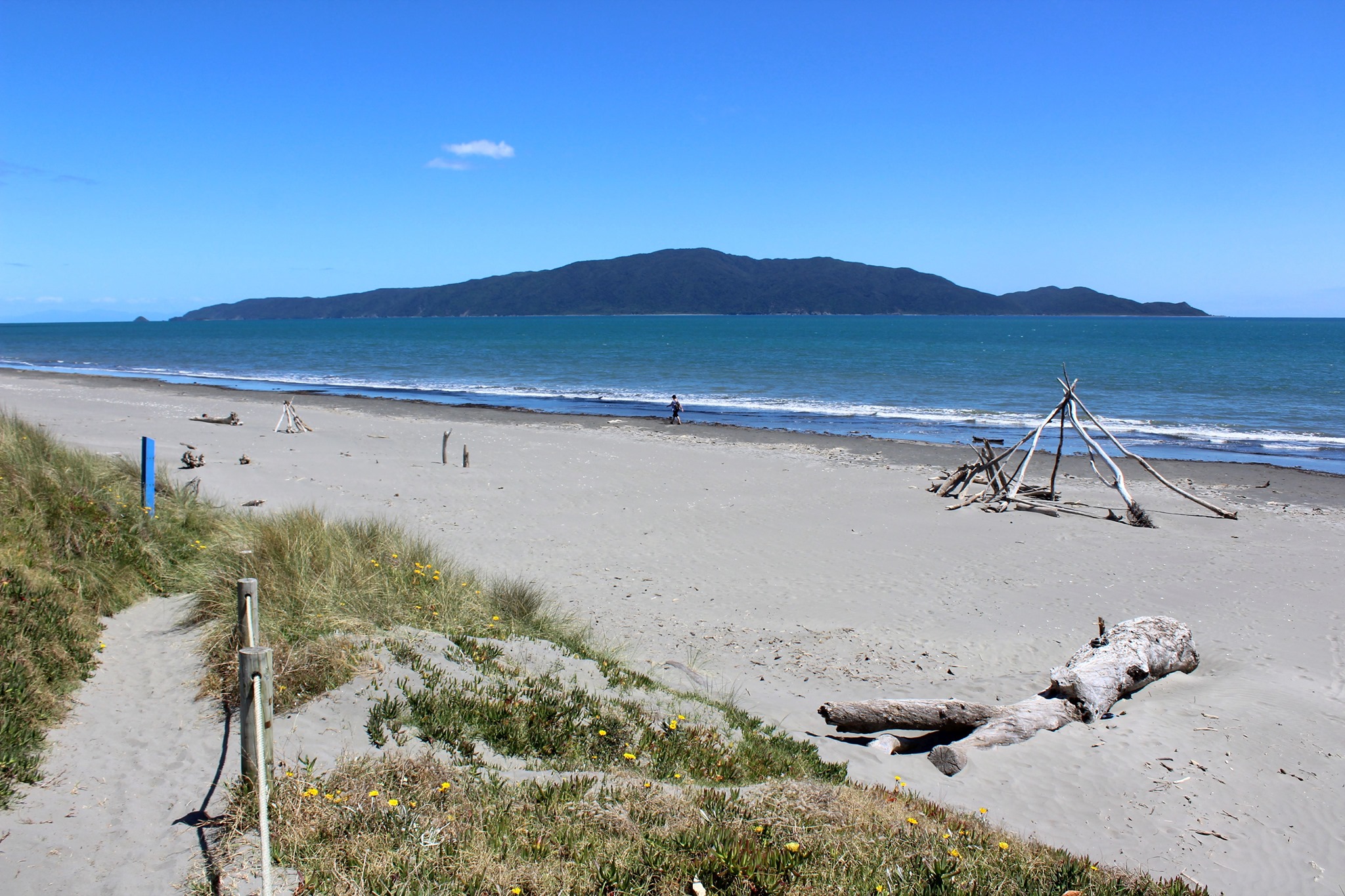
Waikanae Beach – Gisborne’s family-friendly beach with calm water and nearby playground
Waikanae Beach is where the families go. It’s sheltered, the waves are small, and it’s right next to Gisborne’s best playground, skate park, and pump track. A timber boardwalk runs along the river from Waikanae to the CBD, passing restaurants and cafes on the way.
The Waikanae Beach playground has three separate areas for toddlers, primary, and older kids. Free parking along the beachfront.
Sponge Bay
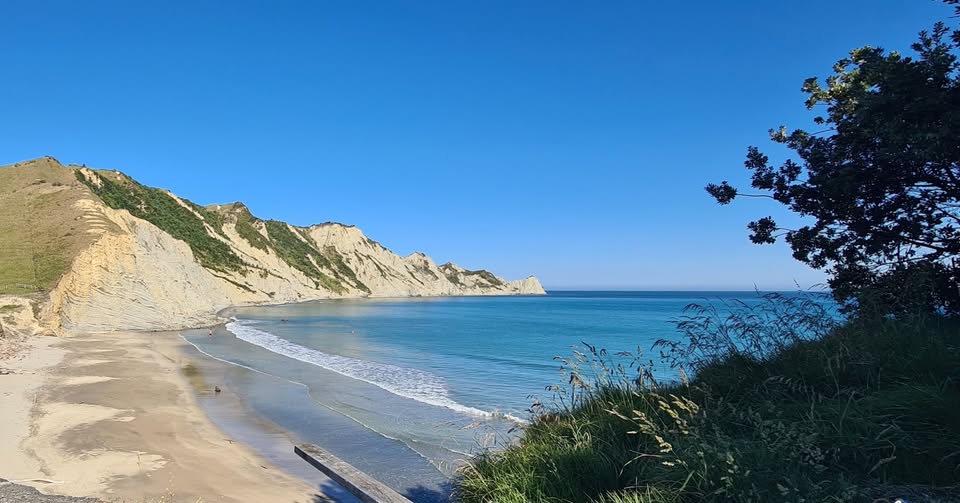
Sponge Bay – a sheltered cove with calm water and white cliffs, perfect for snorkelling
Sponge Bay is a 5-minute drive east of town and feels like a different world. Sheltered by cliffs on either side, the water here is calmer than the open beaches. At low tide, you can walk out to Tuamotu Island and explore the rock pools.
Bring snorkelling gear. The rocky outcrops have decent visibility on calm mornings, and you’ll spot small fish and marine life close to shore. Beach access is via steep steps from the car park.
| Beach | Best For | Surf Level | Parking | Family-Friendly? | Directions |
|---|---|---|---|---|---|
| Wainui | Experienced surfers | Advanced | Free car park | Not for small kids | 📍 |
| Makorori | Longboarding, beginners | Beginner-intermediate | Free car park | Yes (northern end) | 📍 |
| Midway | Everyday surfing, swimming | Intermediate | Street parking | Yes | 📍 |
| Waikanae | Families, flat water | Very gentle | Free beachfront | Best for families | 📍 |
| Sponge Bay | Snorkelling, swimming | Calm/sheltered | Small car park | Yes (older kids) | 📍 |
What Nature Walks and Outdoor Adventures Should You Try?
The coastline gets all the attention, but Gisborne’s best experiences are often 30 to 50 minutes inland. Ancient forests, natural waterslides, and a stingray encounter you won’t find anywhere else in the country.
Eastwoodhill Arboretum
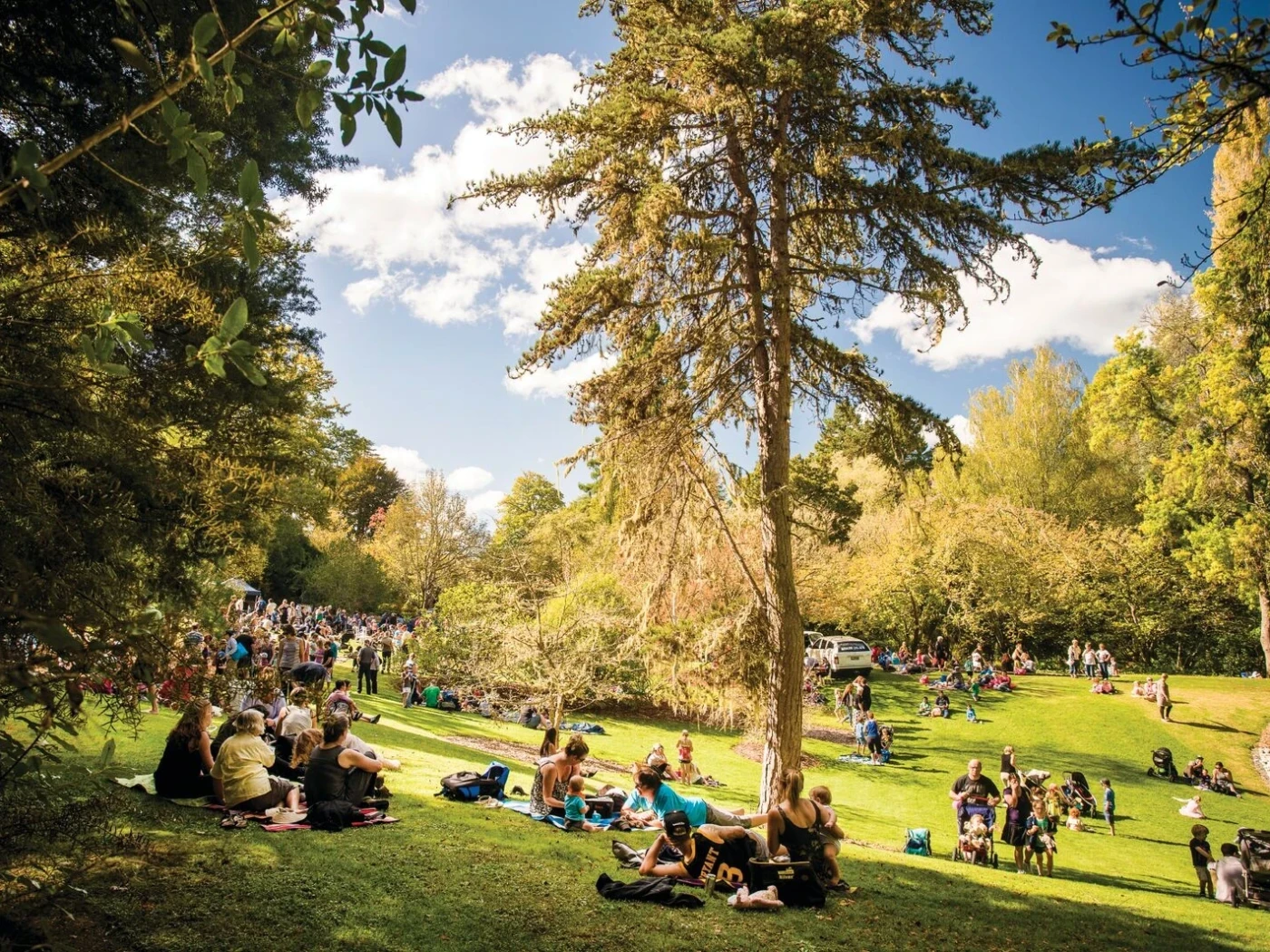
Families enjoying an event day on the lawn at Eastwoodhill Arboretum, the National Arboretum of New Zealand
Eastwoodhill is the National Arboretum of New Zealand, and it’s one of the most underrated day trips in the North Island. Set on 135 hectares about 35 km west of Gisborne, the arboretum has walking trails through exotic and native trees from around the world, plus an adventure playground that kids genuinely don’t want to leave.
The collection was started by Douglas Cook in 1910 as insurance against the destruction of Northern Hemisphere forests during wartime. Today it holds one of the largest collections of Northern Hemisphere trees in the Southern Hemisphere.
Eastwoodhill Quick Facts
Hours: 9am-4pm, 7 days
Entry: Adults $15, children 5-17 $2, under-5s free, family pass $28
Address: 2392 Wharekopae Rd, Ngatapa
Drive time: 30 minutes from Gisborne
If you’re visiting Gisborne with even half a day to spare, the trails through the redwood grove and the magnolia collection at Eastwoodhill Arboretum are worth the drive alone.
Rere Falls and Rere Rockslide
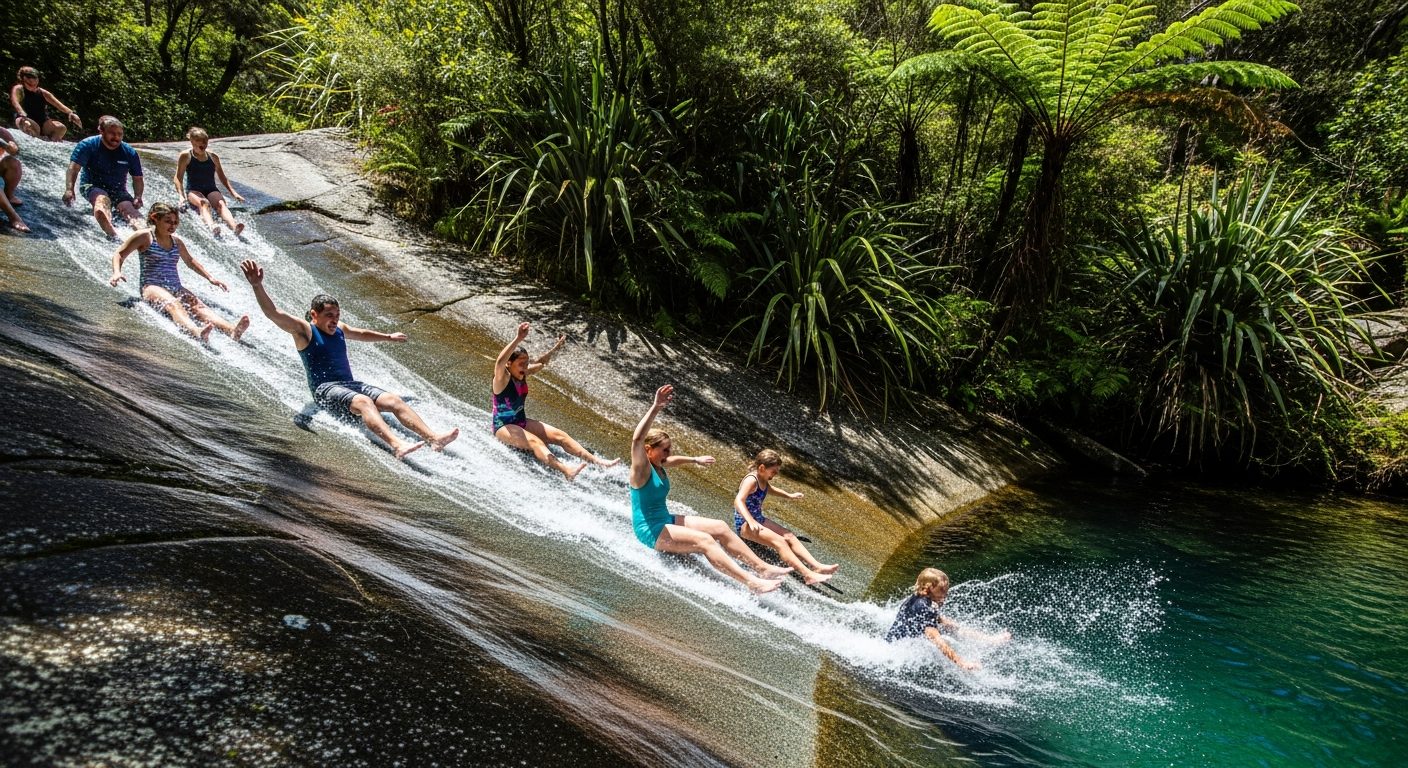
The Rere Rockslide is a natural 60-metre waterslide carved into smooth rock
Rere Rockslide is a 60-metre natural rock waterslide about 50 km northwest of Gisborne. You grab a boogie board or air mattress, slide down the smooth rock face, and land in a deep pool at the bottom. It’s free, it’s fun, and it’s one of the most photographed spots in the region.
Rere Falls is just 2 km before the rockslide on the same road. The falls are wide rather than tall, creating a curtain of water that’s impressive after rain. A 10-minute walk from the car park gets you to the viewing platform.
The road out is sealed for most of the way but turns to gravel near the end. Bring your own boogie board – there’s nowhere to hire one nearby. Toilets and picnic tables are available at the rockslide car park.
Kaiti Hill and Titirangi Domain
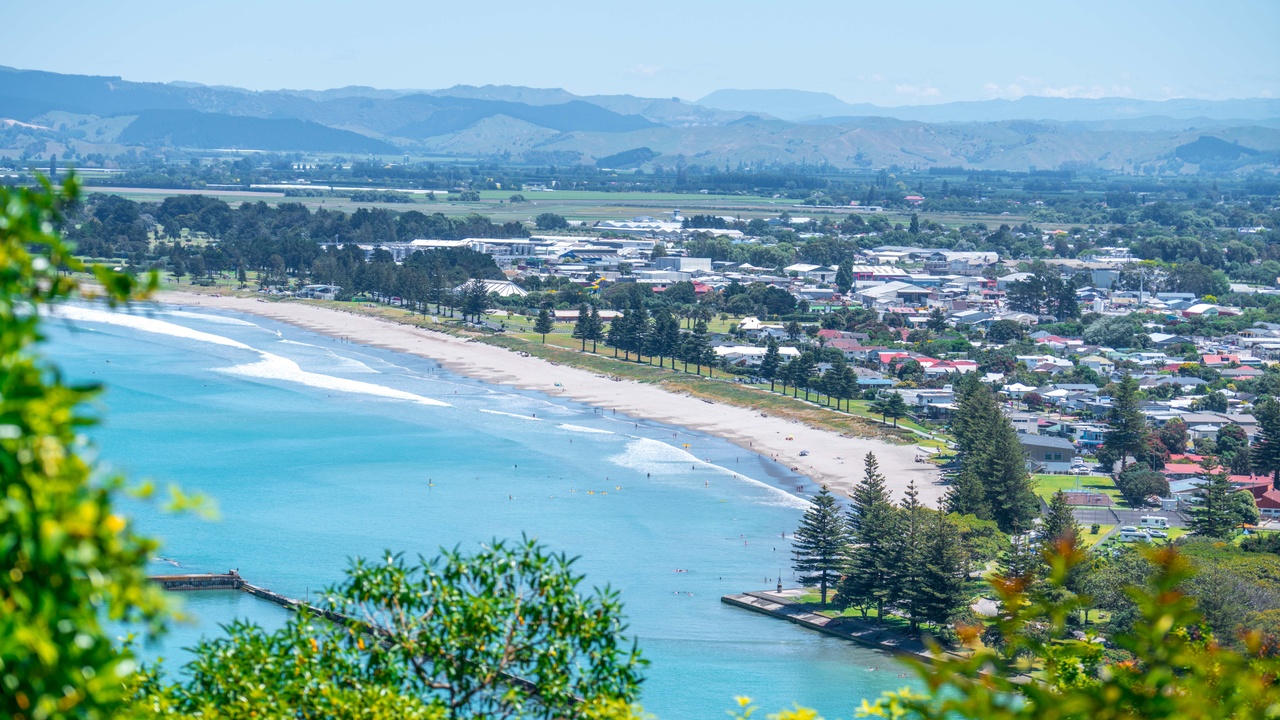
The view from Kaiti Hill over Gisborne, Waikanae Beach, and the Poverty Bay coastline
Kaiti Hill (also called Titirangi) rises directly above central Gisborne and gives you 360-degree views over the city, Poverty Bay, and the coast. Four lookout points sit at the top, and the walk up takes about 20-30 minutes from the base.
The hill is historically significant. It’s the ancestral site of the Ngati Oneone hapu and sits near where Captain Cook first came ashore in 1769. You’ll find the Cook monument and a pohutukawa tree planted by Princess Diana near the summit.
Drive up if you’re short on time – there’s a sealed road to the top with parking.
Dive Tatapouri
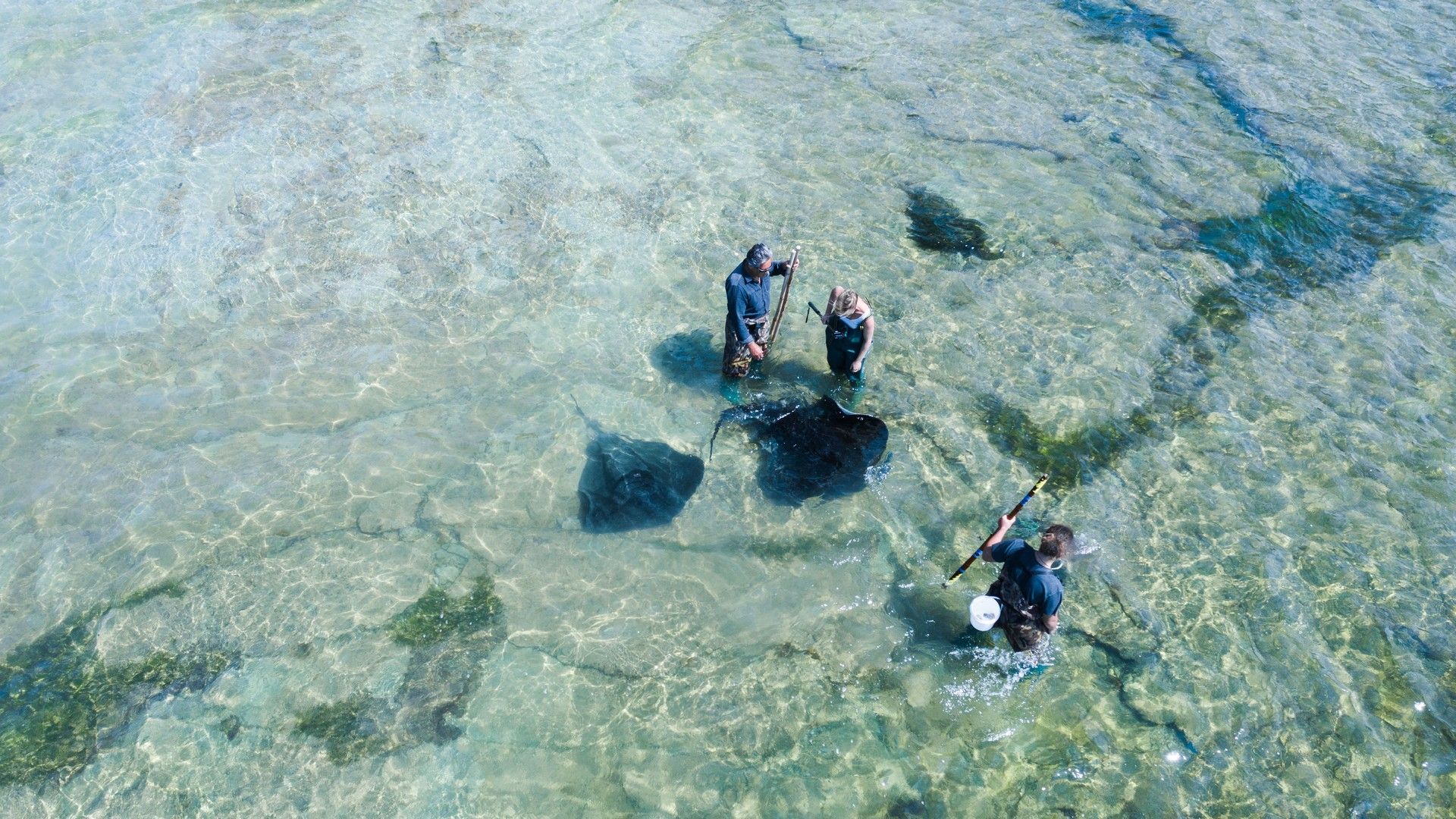
Visitors hand-feeding wild stingrays during the reef ecology tour at Dive Tatapouri
This is the one experience visitors talk about most. At Dive Tatapouri, you wade into the shallow reef at low tide and hand-feed wild stingrays, eagle rays, and other marine life. It’s the only place in New Zealand where you can do this.
The reef ecology tour runs for about 90 minutes and costs $67 for adults, $20 for kids under 16. A family pass for two adults and two children is $140. Tours run daily at times that match the tides, so book ahead – this one sells out, especially in summer.
Gray’s Bush and Cooks Cove Walkway
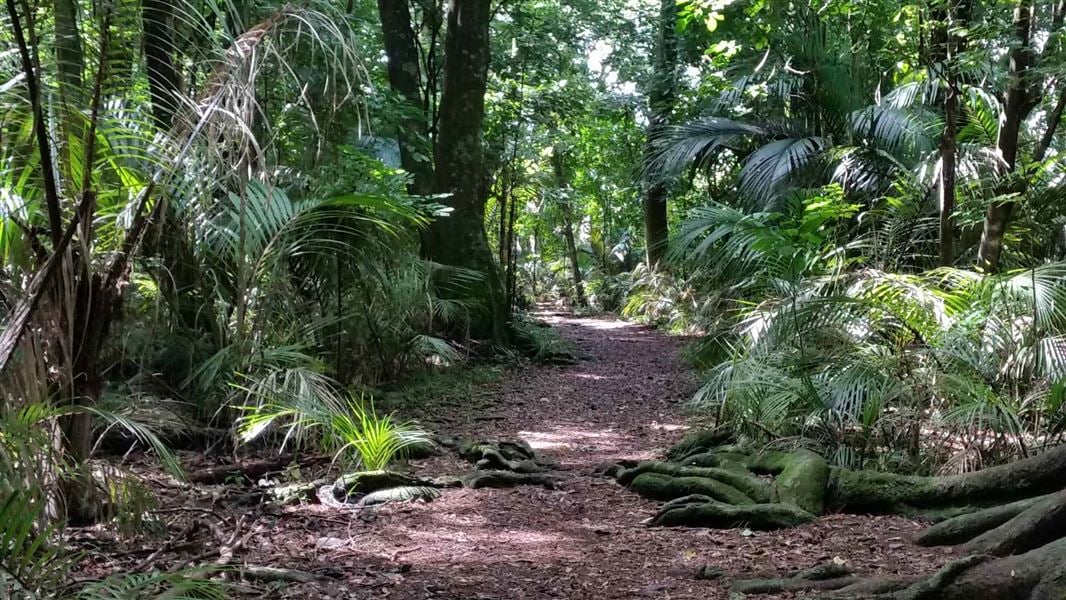
Native bush walking track through 400-year-old kahikatea forest at Gray’s Bush Scenic Reserve
For a quick bush walk close to town, Gray’s Bush Scenic Reserve is a pocket of 400-year-old kahikatea forest just 10 km from Gisborne. The flat loop tracks take 20 to 60 minutes and are wheelchair accessible.
If you have a full day, the Cooks Cove Walkway near Tolaga Bay is a 2.5-hour return walk to a dramatic coastal lookout. It’s 52 km north of Gisborne and features Te Pourewa, a 12-metre sculpture commemorating the navigator Tupaia. Note: closed from 1 August to Labour Weekend.
📍 Get directions to Cooks Cove · 📍 Get directions to Gray’s Bush
| Activity | Distance | Duration | Cost | Difficulty | Directions |
|---|---|---|---|---|---|
| Eastwoodhill Arboretum | 35 km (30 min) | 2-4 hours | $15 adult | Easy | 📍 |
| Rere Rockslide | 50 km (40 min) | 1-2 hours | Free | Easy | 📍 |
| Kaiti Hill | In town | 20-60 min | Free | Moderate | 📍 |
| Dive Tatapouri | 15 km (15 min) | 90 min | $67 adult | Easy | 📍 |
| Gray’s Bush | 10 km (10 min) | 20-60 min | Free | Easy | 📍 |
| Cooks Cove | 52 km (50 min) | 2.5 hrs return | Free | Moderate | 📍 |
Which Gisborne Wineries Have Cellar Doors Worth Visiting?
Gisborne is New Zealand’s Chardonnay capital, and the local wineries know it. You won’t find massive tourist operations here. What you will find are family-run estates where the person pouring your wine probably also pruned the vines that morning.
Matawhero Wines
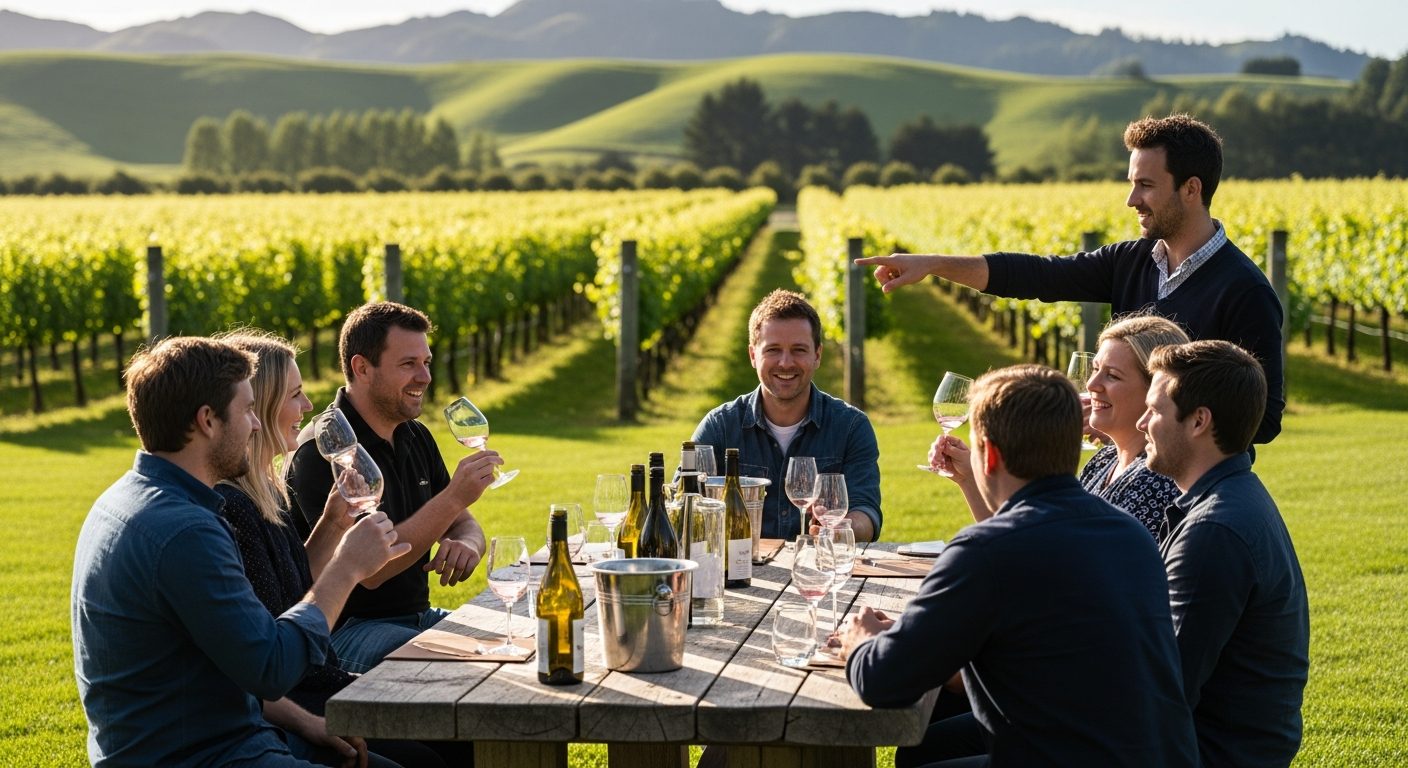
Wine tasting at a Gisborne cellar door surrounded by vineyard views
Matawhero is the name most people recognise. Their cellar door sits about 10 minutes south of Gisborne on SH2, and it’s a relaxed spot to taste wines among the vines and olive trees. The Matawhero Wines cellar door serves gourmet platters alongside their wines.
Open: Wednesday to Friday noon-3pm, Saturday and Sunday noon-4pm.
Bushmere Estate
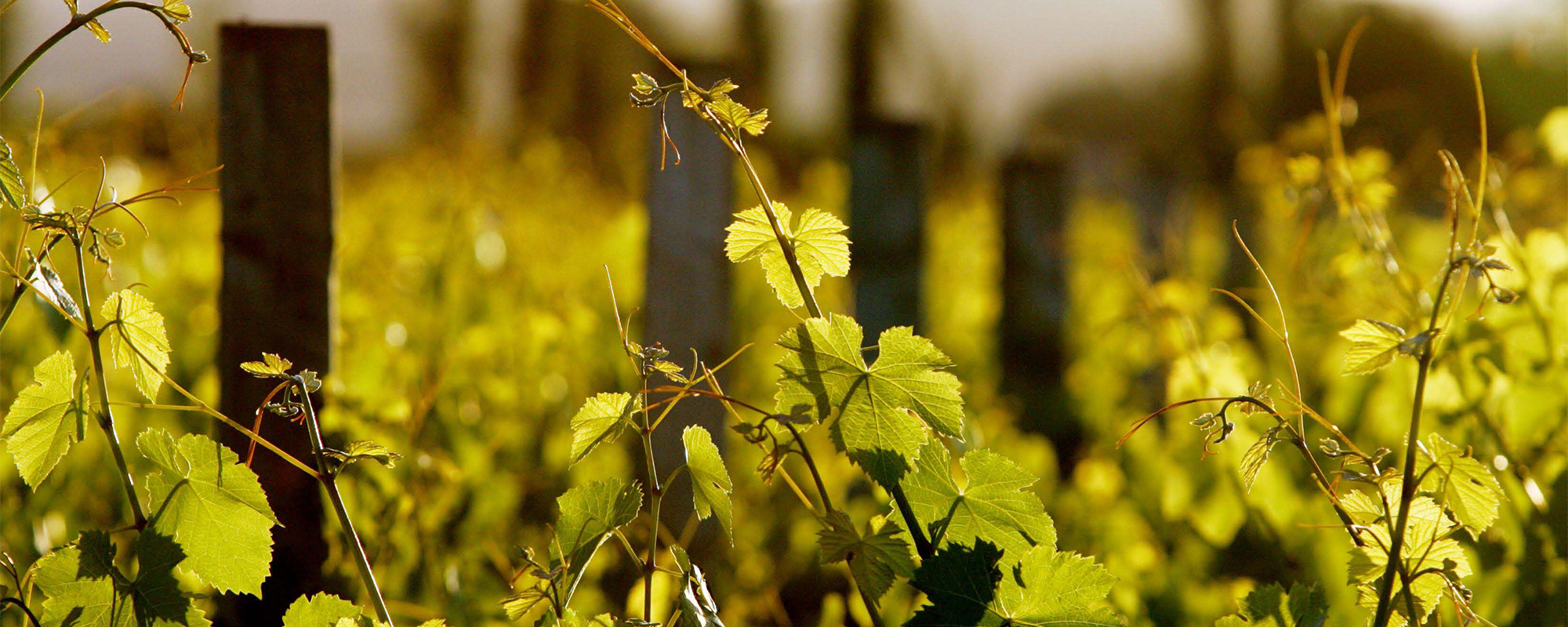
Bushmere Estate vineyard in Matawhero, specialising in Chardonnay and Merlot
Bushmere Estate is a family-owned boutique winery at 166 Main Road, Matawhero. They specialise in Chardonnay and also grow Merlot, Malbec, and Pinot Gris across 17 hectares. The Bushmere Estate cellar door is open Wednesday to Sunday 11am-3pm with tastings and platters available.
Millton Vineyards
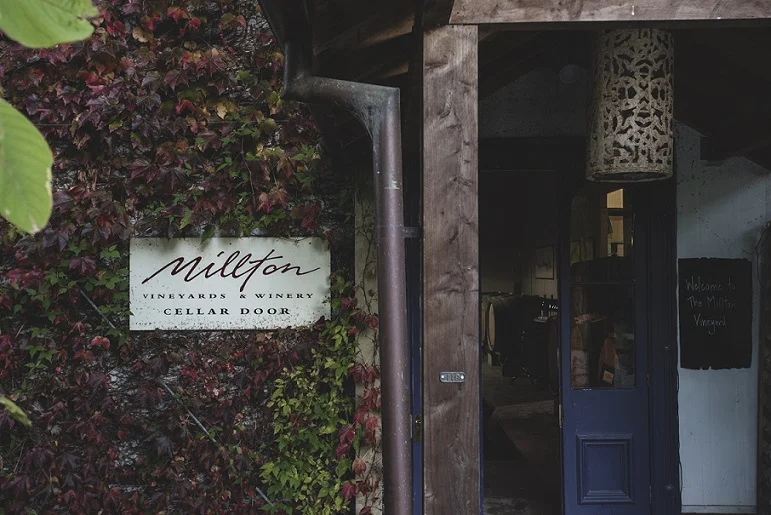
Millton Vineyards cellar door – New Zealand’s first certified organic and biodynamic winery
Millton holds the distinction of being New Zealand’s first certified organic and biodynamic winery. Their cellar door lets you taste among the barrels, which feels more authentic than most tasting rooms. Entry is $5 per person for five wines, and they have a deli fridge with food. At Millton Vineyards cellar door, the focus is on minimal-intervention winemaking.
Open: Monday to Saturday.
TW Wines and the Gisborne Wine Centre
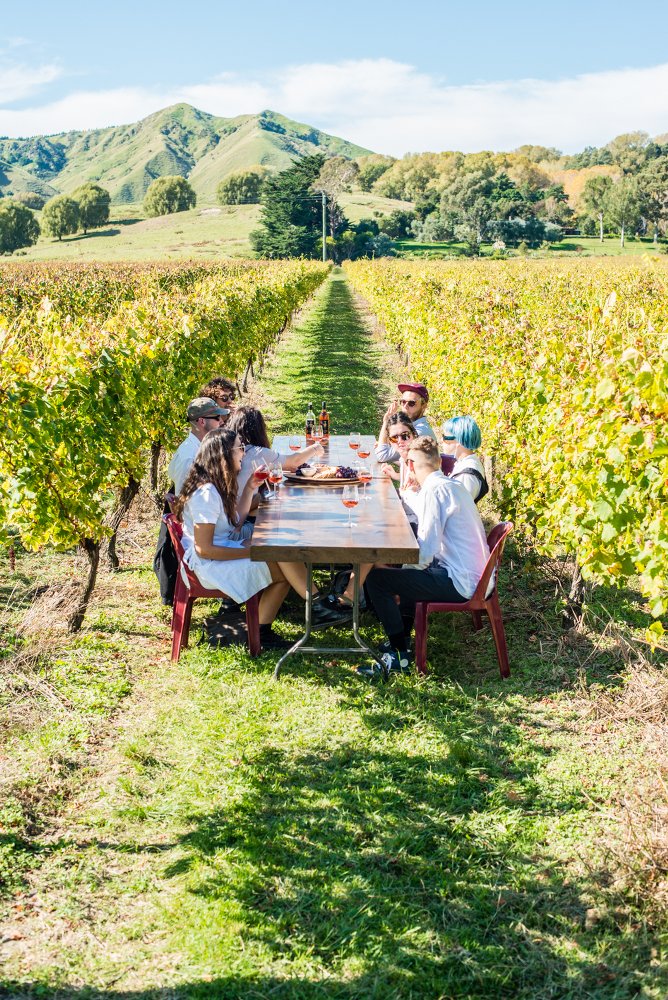
TW Wines vineyard on The Golden Slope – Gisborne’s own Cote d’Or
TW Wines is a smaller producer crafting wines along what they call The Golden Slope. They’ve won over 40 national and international awards since 1998. You can find their wines through the TW Wines website or at the Gisborne Wine Centre.
The Gisborne Wine Centre offers guided tastings across multiple local producers in one sitting, which saves you the driving if you want to sample the region without visiting each estate.
| Winery | Location | Open Hours | Tasting Cost | Food? | Directions |
|---|---|---|---|---|---|
| Matawhero | SH2, 10 min south | Wed-Fri 12-3, Sat-Sun 12-4 | Included | Gourmet platters | 📍 |
| Bushmere Estate | 166 Main Rd | Wed-Sun 11am-3pm | Included | Platters | 📍 |
| Millton | Papatu Rd | Mon-Sat | $5 for 5 wines | Deli fridge | 📍 |
| TW Wines | The Golden Slope | By arrangement | Varies | No | 📍 |
| Wine Centre | Central Gisborne | Check locally | Guided tastings | Restaurant | 📍 |
Gisborne’s Maori Heritage and Cultural Landmarks
Gisborne has one of the highest Maori populations in New Zealand, and the culture here isn’t behind glass in a museum. It’s in the carvings on the marae across the road, the place names you drive past every day, and the stories embedded into every headland along the coast.
Tairawhiti Museum
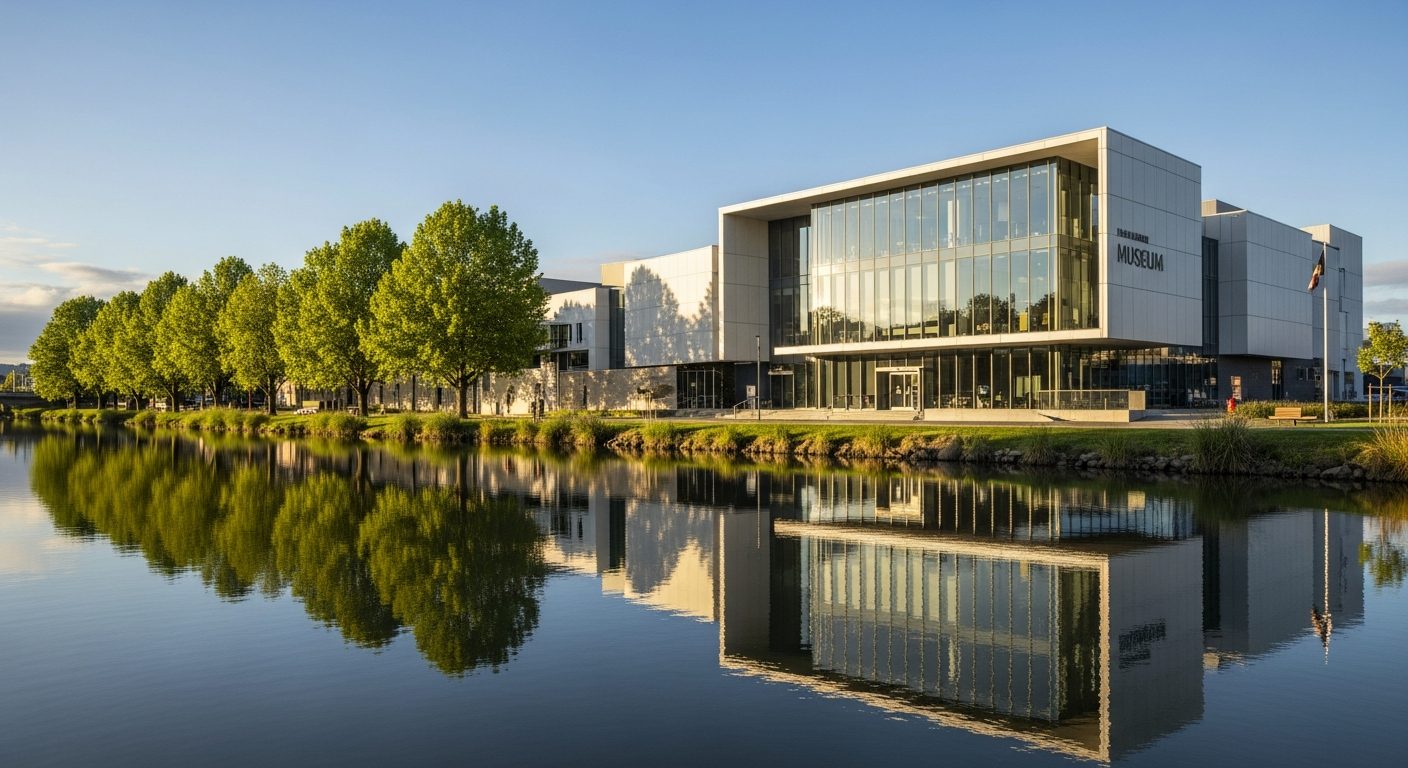
Tairawhiti Museum on Stout Street houses Maori taonga, local art, and two historic buildings
The Tairawhiti Museum sits on Stout Street in central Gisborne and does a brilliant job of telling the region’s story. Two historic buildings on the grounds are worth exploring: Wyllie Cottage (the oldest European-style house in Gisborne) and the wheelhouse of the Star of Canada, a ship wrecked at Gisborne in 1912.
Entry is $5 for adults, children under 12 free. Open weekdays 10am-4pm, weekends 1:30pm-4pm.
Te Poho-o-Rawiri Marae
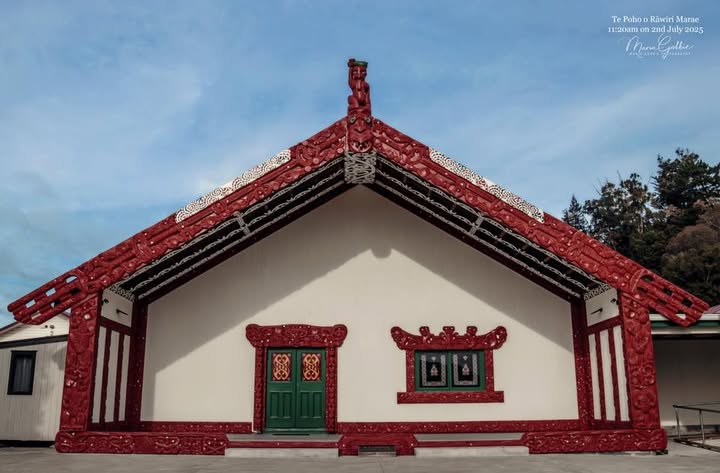
Te Poho-o-Rawiri Marae – one of the largest and most ornate marae in New Zealand
Te Poho-o-Rawiri is one of the largest and most ornate marae in New Zealand. Located on the lower slopes of Kaiti Hill, it was opened in 1930 and belongs to the Ngati Oneone hapu. The interior features extraordinary tukutuku and kowhaiwhai. Guided tours by appointment. No photography inside.
Maunga Hikurangi
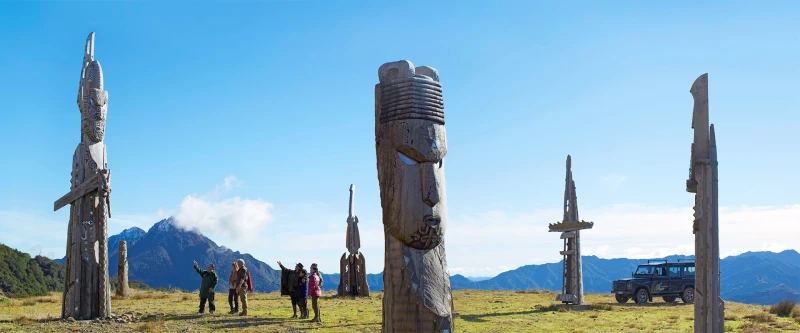
Sunrise at Maunga Hikurangi – the first point of mainland New Zealand to see the light each day
For something genuinely unforgettable, the Maunga Hikurangi sunrise tour takes you by 4WD to the first point of mainland New Zealand to see the sunrise. At 1,752 metres, it’s the highest non-volcanic peak on the North Island and the sacred mountain of Ngati Porou.
The tour leaves from Ruatoria (two hours from Gisborne) in the dark and reaches the summit for sunrise. You’ll see nine carved whakairo depicting Maui and his whanau. It’s an early start, but every review says it’s worth it.
Cultural Visitor Tips
- Remove shoes before entering any marae wharenui (meeting house)
- Don’t sit on tables or pillows designated for heads
- Ask before photographing carvings or cultural sites
- “Kia ora” is a genuine and welcome greeting
- If in doubt about protocols, ask your guide – people appreciate the respect
Family-Friendly Activities in Gisborne
Gisborne is one of those places where kids don’t need screens to stay entertained. Between the beaches, the rockslide, and a steam train that crosses an airport runway, you’ll struggle to fit it all in.
| Activity | Best Age | Cost | Weather Dependent? | Directions |
|---|---|---|---|---|
| Rere Rockslide | 5+ (strong swimmers) | Free | Yes (better after rain) | 📍 |
| Eastwoodhill Playground | 3-12 | $15 adult, $2 child | Partly | 📍 |
| Waikanae Playground | 1-12 | Free | Yes | 📍 |
| Vintage Railway (Wa165) | All ages | $35 adult, $15 child | Mostly no | 📍 |
| Kiwa Pools | All ages | Check locally | No (indoor) | 📍 |
| Railbike Adventures | 18+ to ride | From $65 | Yes | 📍 |
The Rere Rockslide is the standout for kids old enough to swim confidently. Bring a boogie board and towels – they’ll want to go down a dozen times.
For rainy days, Kiwa Pools has hydro slides, a toddler splash zone, and an indoor heated pool. It’s the backup plan every Gisborne parent relies on.
The Gisborne City Vintage Railway runs steam train excursions on the restored Wa165 locomotive, built in 1897. The ride crosses Gisborne Airport’s runway – the only train in the world that does this. Family tickets are $80, excursions run October to June.
For something different, Gisborne Railbike Adventures lets you pedal side-by-side along disused railway tracks with coastal views. Routes cover up to 90 km between Gisborne and Wairoa. Riders must be 18 or older.
What Events and Festivals Happen in Gisborne?
Gisborne’s event calendar punches above its weight for a city of 38,000 people. The big ones draw visitors from across the country, and the weekly market is reason enough to plan a Saturday visit.
Rhythm and Vines
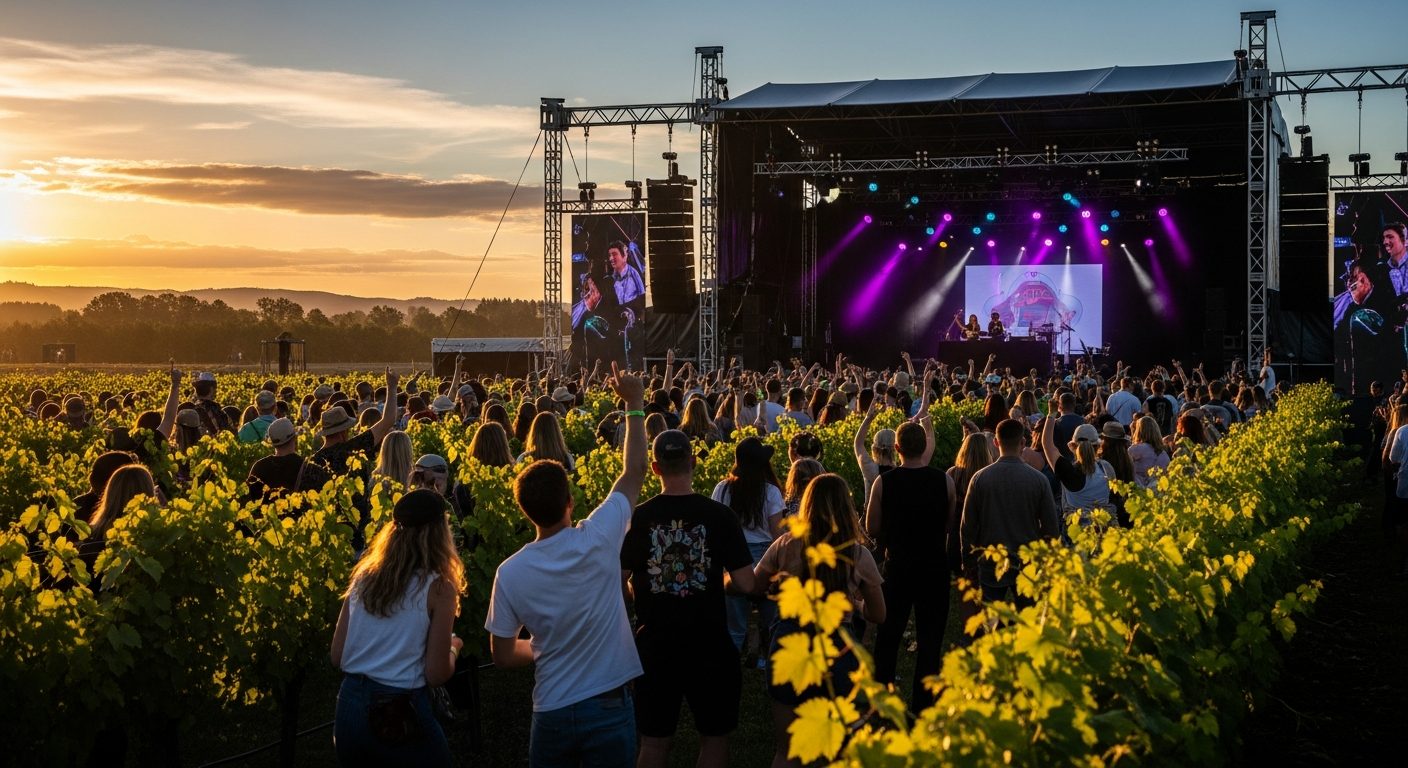
Festival-goers at a Gisborne vineyard event, with music and wine in the summer sun
Rhythm and Vines is New Zealand’s biggest New Year’s music festival, held over 28-31 December each year at Waiohika Estate, about 11 km from town. Thousands camp on the vineyard, watch live acts, and ring in the New Year under the first sunrise.
First Light Celebrations
Every 1 January, Gisborne hosts First Light celebrations on the beach to welcome the first sunrise of the new year. It’s free, community-driven, and genuinely special. Locals gather at Midway Beach or Wainui Beach from about 5am.
Gisborne Farmers Market
The Gisborne Farmers Market runs every Saturday from 9:30am to 12:30pm at the corner of Stout and Fitzherbert streets, right across from Tairawhiti Museum. Local produce, baked goods, coffee, honey, and seasonal fruit.
| Event | When | Tickets | What to Expect | Directions |
|---|---|---|---|---|
| Rhythm and Vines | 28-31 December | From ~$200+ | Multi-day music festival | 📍 |
| First Light | 1 January | Free | Sunrise celebration | 📍 |
| Farmers Market | Every Saturday 9:30am | Free entry | Local produce, food | 📍 |
| Chardonnay Festival | May (check dates) | Ticketed | Wine tastings, food | 📍 |
What’s the Best Time to Visit Gisborne?
Gisborne gets more sunshine hours than most of New Zealand, so you can visit year-round. But the sweet spot is late January through March – after the Rhythm and Vines crowds leave and before autumn arrives.
Summer (December to February) is peak season. Accommodation books up months ahead around New Year’s. March and April offer the best combination of weather, availability, and smaller crowds.
Winter (June to August) is quiet but still has its appeal. The surf is bigger, Eastwoodhill’s trees change colour dramatically, and you’ll have most walks to yourself.
Getting to Gisborne
- Fly: Air New Zealand daily from Auckland (about 1 hour)
- Drive from Auckland: About 6.5 hours via SH2
- Drive from Napier: About 3.5 hours via SH2
- Drive from Rotorua: About 4.5 hours via SH2
- How long to stay: 3-4 days for highlights, a full week for everything
For more visitor information, the Tourism New Zealand Gisborne page has accommodation and transport details.
Your Gisborne Itinerary Starts Here
Gisborne isn’t trying to be Queenstown or Hawke’s Bay. It’s its own thing – quieter, more real, and full of experiences you won’t find in the usual tourist hotspots.
- Start with the beaches. Wainui for surf, Waikanae for families, Sponge Bay for snorkelling.
- Don’t skip the day trips. Eastwoodhill, Rere Rockslide, and Dive Tatapouri are the three visitors remember most.
- Plan around food and wine. Hit the Farmers Market on Saturday morning, then drive the cellar doors in the afternoon.
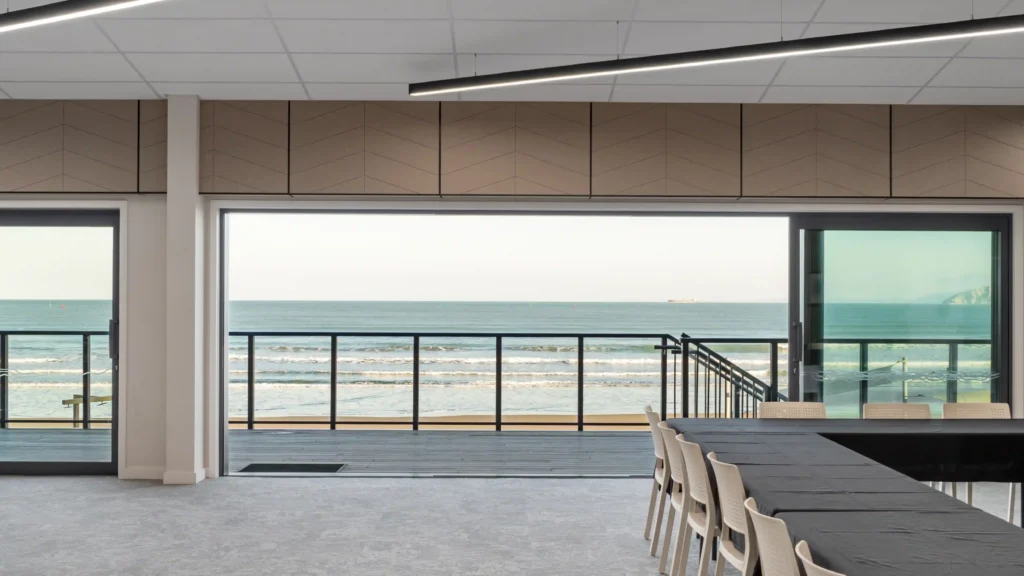
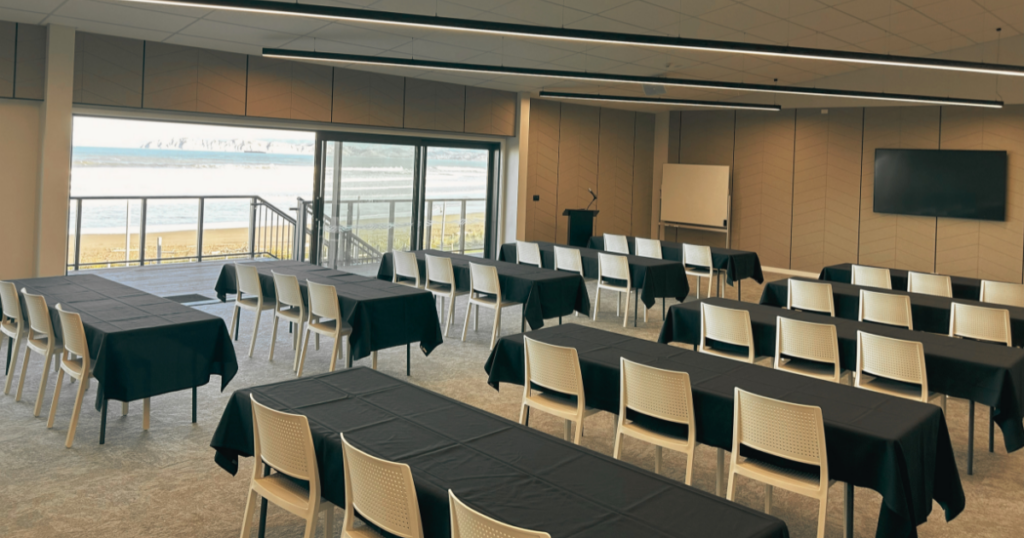
If you’re planning an event while you’re in Gisborne – a conference, a wedding, or a community hui – our spaces at Midway Hub look out over the beach and the bay. Get in touch and we’ll help you find the right setup.
Frequently Asked Questions
Is Gisborne worth visiting?
Yes. Gisborne is one of the most underrated destinations in New Zealand, with world-class surf, a growing wine region, and Maori cultural experiences you won’t find elsewhere. Most visitors say they wished they’d planned more time here.
How many days do you need in Gisborne?
Three to four days is enough to cover the main beaches, a winery visit, Rere Rockslide, and a walk or two. A full week lets you add Dive Tatapouri, Maunga Hikurangi, and Cooks Cove. Our guide to venue hire in Gisborne covers options if you’re planning a group event.
Can you swim at the beaches in Gisborne?
All five main Gisborne beaches are swimmable, but conditions vary. Waikanae is safest for young families. Sponge Bay is sheltered and calm. Wainui has strong rips and suits confident swimmers. Always swim between the flags when lifeguards are on duty.
What is Gisborne famous for?
Gisborne is famous for being the first city in the world to see the sunrise, for its Chardonnay wines, and for Rhythm and Vines every New Year’s Eve. It’s also known for excellent surf, the Rere Rockslide, and strong Maori cultural heritage. Read more about Midway Hub and our community on the Gisborne beachfront.
Are there good wineries near Gisborne?
Gisborne is one of New Zealand’s top Chardonnay regions, and several wineries have cellar doors open to visitors. Matawhero, Bushmere Estate, and Millton Vineyards all offer tastings and are within 15 minutes of town. Millton is New Zealand’s first certified organic and biodynamic winery.