Budget blowouts, AV failures, caterer no-shows, weather disruptions, and communication breakdowns are the event planning problems we see most often. We’ve hosted hundreds of events at Midway Hub and we’ve seen every one of these happen. Some at our own venue. This guide covers the 10 most common problems and specific steps to prevent each one.
We’ve hosted hundreds of events at Midway Hub. Weddings, corporate conferences, community hui, fundraisers, school prizegivings. And we’ve seen all of these problems happen.
Some of them at our own venue.
That’s the part most venue blogs skip. They list problems as if they only happen somewhere else. We’re going to be honest about what can go wrong at any venue, including ours, and what you can do to prevent it.
Event planning problems fall into four categories: money, people, logistics, and communication. Most of them are preventable if you know what to watch for.
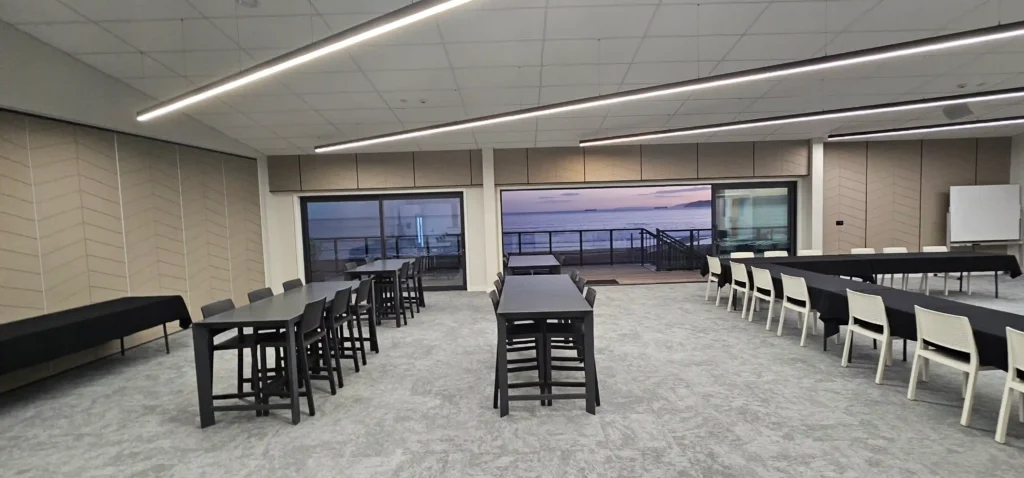
The Mana Moana Lounge before setup – every event starts with an empty room and a plan
1. Budget Blowouts
The average event goes 15-20% over budget. Industry data shows 65% of event planners face overruns averaging 20% over their original budget. It happens because organisers budget for the venue hire and catering, then forget about the 15 smaller costs that add up fast.
What goes wrong
You budget $5,000 for your event. Then you add AV hire ($400), extra chairs ($200), a cleaning bond ($500), overtime charges ($300), parking signage ($80), name tags ($50), photographer tips ($100), and last-minute decorations ($250). Suddenly you’re at $6,880.
The fix is a line-item budget that includes everything. Ask your venue for a fully itemised quote. At Midway Hub, we include tables, chairs, AV, and kitchen access in the hire fee. But not every venue does. Know what’s in and what’s out before you sign.
Prevention tip
Build a 15-20% contingency into your budget from day one. If you don’t spend it, that’s a win. If you do, you planned for it.
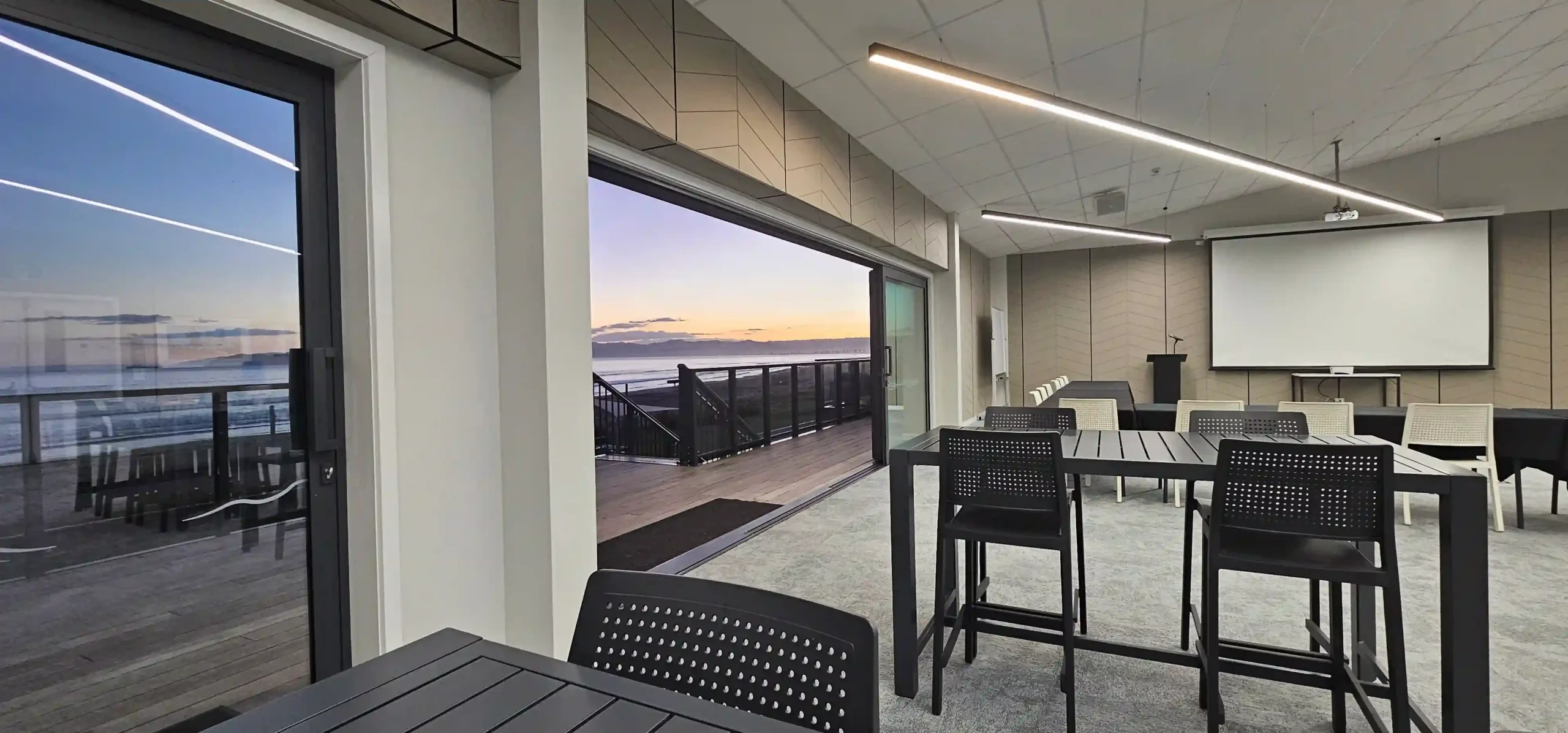
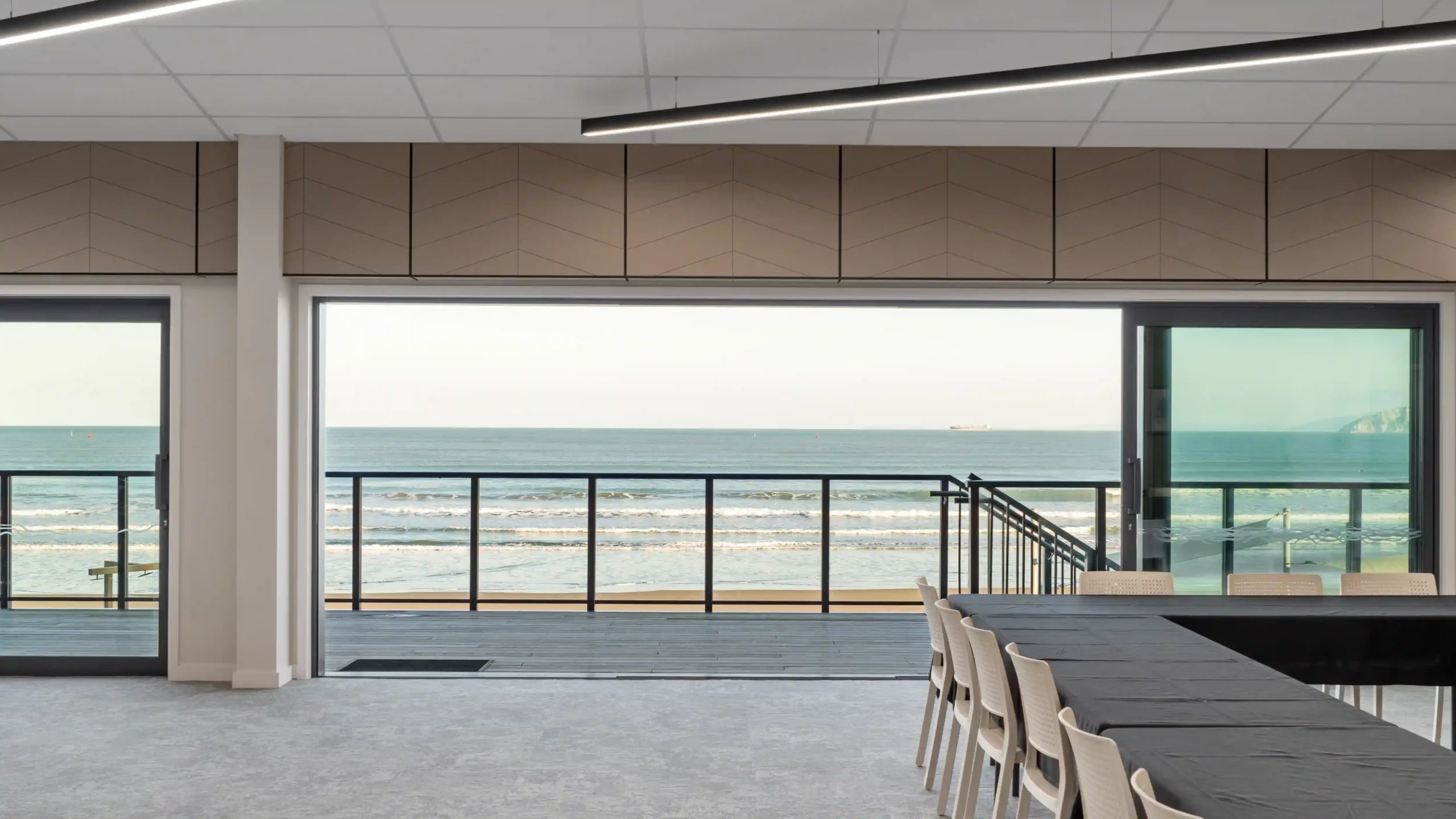
Event setup at Midway Hub – AV is included in the hire, but check what other venues charge extra for
2. Low Attendance
About 20-30% of confirmed RSVPs don’t show up. For free events, that number can hit 50%. It affects everything from catering orders to room layout.
You’ve ordered food for 100 people. Sixty show up. That’s $2,000 in wasted catering. The opposite hurts too. You plan for 60 and 90 arrive.
How to prevent it:
- Charge a small ticket price (even $5) to filter out non-committal RSVPs
- Send reminders at 7 days, 3 days, and the morning of the event
- Ask for final numbers from your venue at least 5 business days out
- Over-cater by 10% and under-seat by 10% as your baseline
3. AV and Tech Failures
AV and tech problems affect over 38% of events according to industry surveys. The projector won’t connect. The microphone feeds back. The laptop doesn’t have the right adapter.
We see this happen at Midway Hub. Not because our equipment is faulty, but because event organisers test their setup for the first time at 8:55am for a 9am start.
What goes wrong
The keynote speaker’s MacBook won’t connect to the HDMI projector. Nobody brought a USB-C adapter. You spend 15 minutes scrambling while 80 people watch.
How to prevent it:
- Test AV the day before, not the morning of
- Bring two copies of every presentation (USB drive and email)
- Carry your own adapters (USB-C to HDMI is the most commonly forgotten)
- Ask the venue what AV is included and what you need to bring
At Midway Hub, our <a href=”/mana-moana-lounge-oceanfront-event-venue/”>Mana Moana Lounge</a> includes an 85-inch display, Bluetooth sound system, and wireless mic. But you still need to test your devices on the actual screen before the event.
4. Catering Disasters
Food is the one thing every guest notices. Too little food means hungry, unhappy people. Wrong food means dietary needs aren’t met. And late food? Your entire timeline collapses.
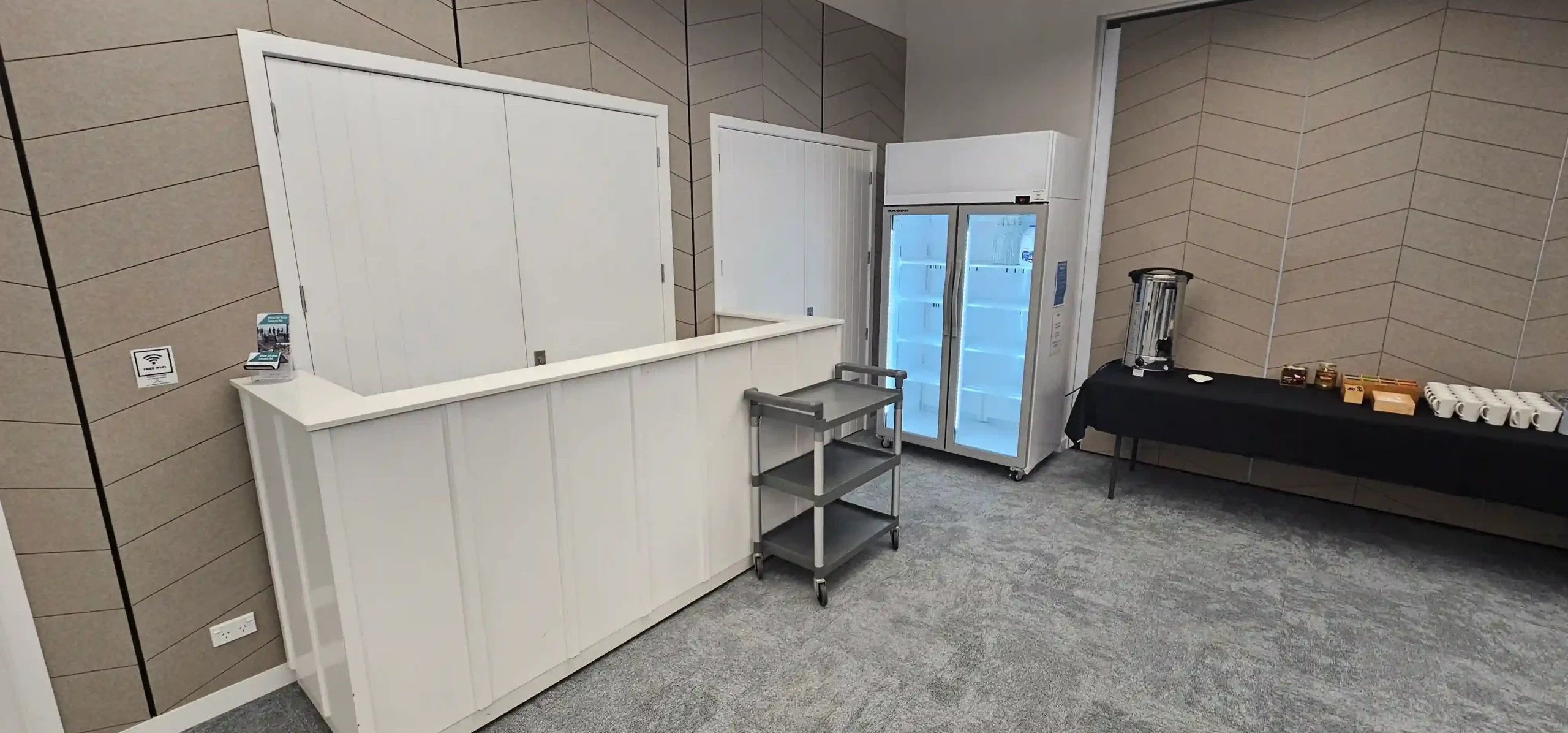
The servery area at Midway Hub – BYO catering gives you direct control over food quality and timing
The worst catering problem we’ve seen? A caterer confirmed for 80 people showed up with food for 50. The organiser had confirmed numbers by email, but the caterer read an earlier thread with the old count.
Prevention tip
Confirm final numbers with your caterer in writing 5 days before. Collect dietary requirements at RSVP stage, not on the day. Consider a <a href=”/venue-hire-cost-gisborne/”>BYO venue with kitchen access</a> so you control the food directly.
5. Venue Cancellation
Your venue cancels or becomes unavailable. It’s rare but devastating. Double bookings, building issues, or a venue shutting down can leave you scrambling weeks before your event.
Read your <a href=”/venue-hire-faqs-everything-you-need-to-know/”>venue hire agreement</a> carefully. Check what happens if the venue cancels on you. <a href=”https://www.consumer.org.nz/articles/tickets-and-events” target=”_blank” rel=”noopener noreferrer”>Consumer NZ</a> covers your rights when event bookings fall through.
How to prevent it:
- Get a signed contract, not just an email confirmation
- Check the cancellation clause works both ways
- Ask if the venue has backup arrangements
- For critical events, identify a Plan B venue before you need one
6. Weather Disruption
If any part of your event is outdoors, weather is a risk. Gisborne gets beautiful weather, but it also gets sudden easterlies, unexpected rain, and blazing January heat.
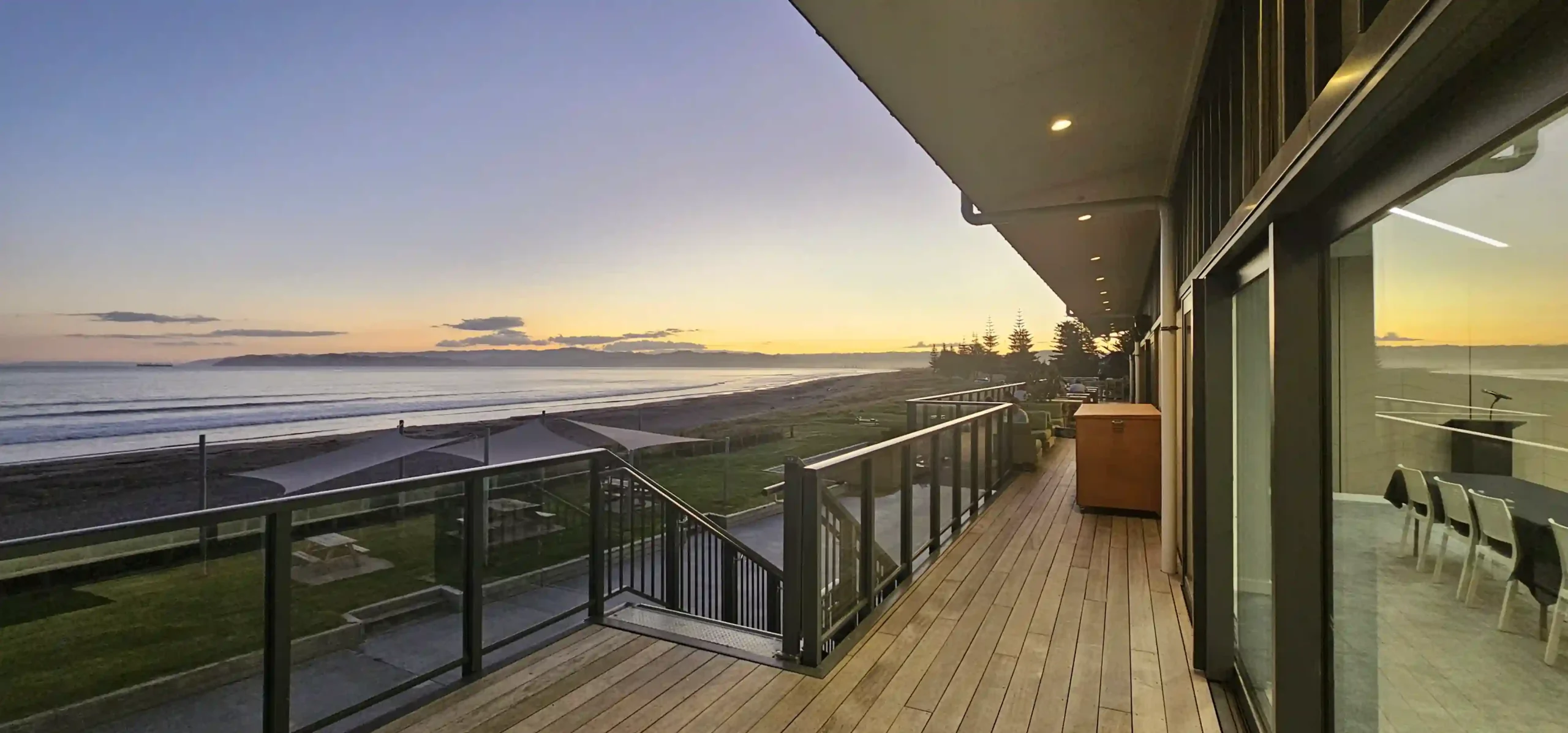
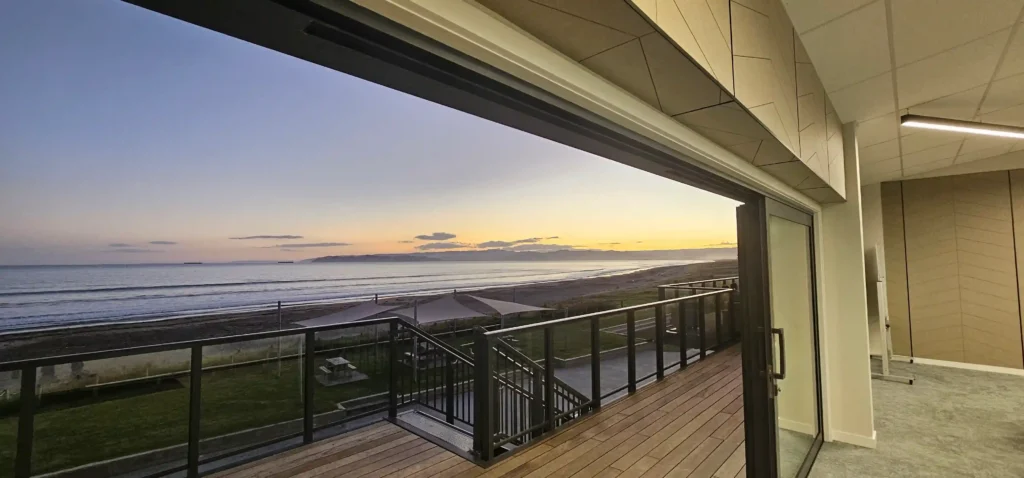
The Midway Hub deck in perfect conditions – but always have an indoor backup plan
What goes wrong
You plan a beach ceremony for December. On the day, a nor’easter brings 30km/h winds and sideways rain. There’s no indoor backup. Sixty guests are standing on the sand getting soaked.
Prevention tip
Always have an indoor Plan B, even in summer. Choose a venue with indoor-outdoor flow. Check MetService 5 days out and again 24 hours before.
7. Poor Time Management
Events almost always run late. Speeches go long. Transitions between segments take longer than planned. The photo session that was “quick” takes 45 minutes.
The worst outcome? You run over your venue booking and get hit with overtime charges. At many venues, that’s $100-$200/hour.
How to prevent it:
- Build 15-minute buffers between every major segment
- Assign a dedicated timekeeper (not the MC, not the event organiser)
- Brief every speaker on their exact slot length before the event
- Ask your venue about overtime rates
8. Communication Breakdowns
The #1 cause of event problems isn’t bad vendors or bad venues. It’s bad communication between them.
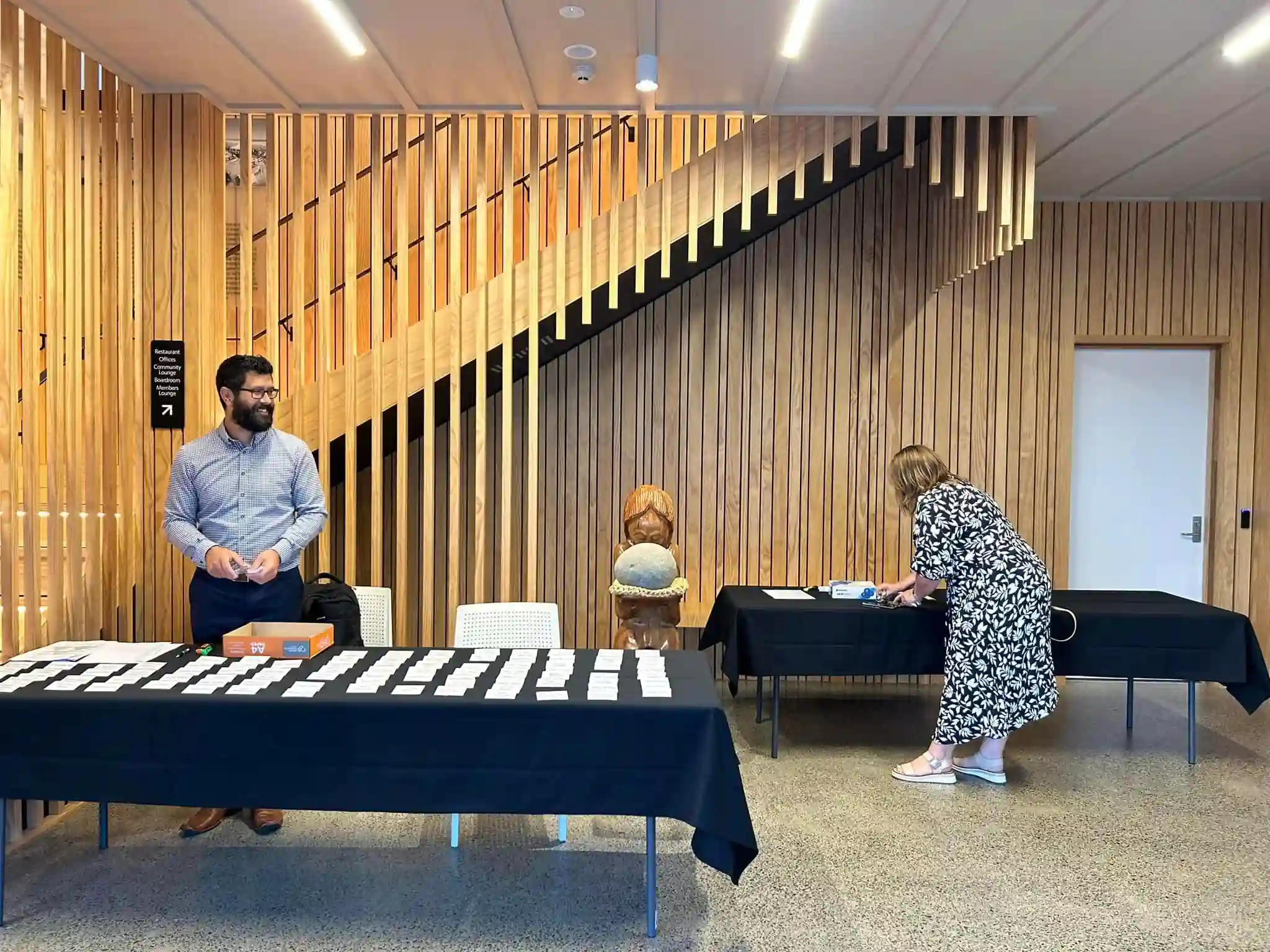
The Midway Hub foyer – a clear check-in point helps vendors know exactly where to go
What goes wrong
Three vendors arrive at the same time. Nobody told them about load-in times. They’re all trying to access the kitchen at once, and setup falls 40 minutes behind.
How to prevent it:
- Create a single event brief with times, contacts, and floor plan
- Send it to every vendor and the venue 3 days before
- Appoint one on-the-day contact person
- Do a venue walkthrough with key vendors the day before
9. Supplier No-Shows
About 5-8% of event suppliers fail to deliver as promised. That could mean a late florist, a missing cake, or a DJ cancelling 48 hours out.
How to prevent it:
- Book vendors with reviews and a track record
- Get deposits AND written contracts from every supplier
- Confirm attendance in writing 48 hours before
- Have a backup option for critical suppliers
10. Post-Event Regret
This is the problem nobody talks about. After the event, the organiser thinks: “I should have spent less on the venue and more on the food.” Or: “I wish I’d hired a coordinator.”
Post-event regret usually comes from:
- Spending money on things guests didn’t notice
- Skipping something guests definitely noticed
- Not delegating enough and being too stressed to enjoy the event
Prevention tip
Ask past event organisers what they’d do differently. Their hindsight is your foresight. Spend money where guests spend time: food, seating comfort, temperature, and sound quality.
How to Protect Yourself
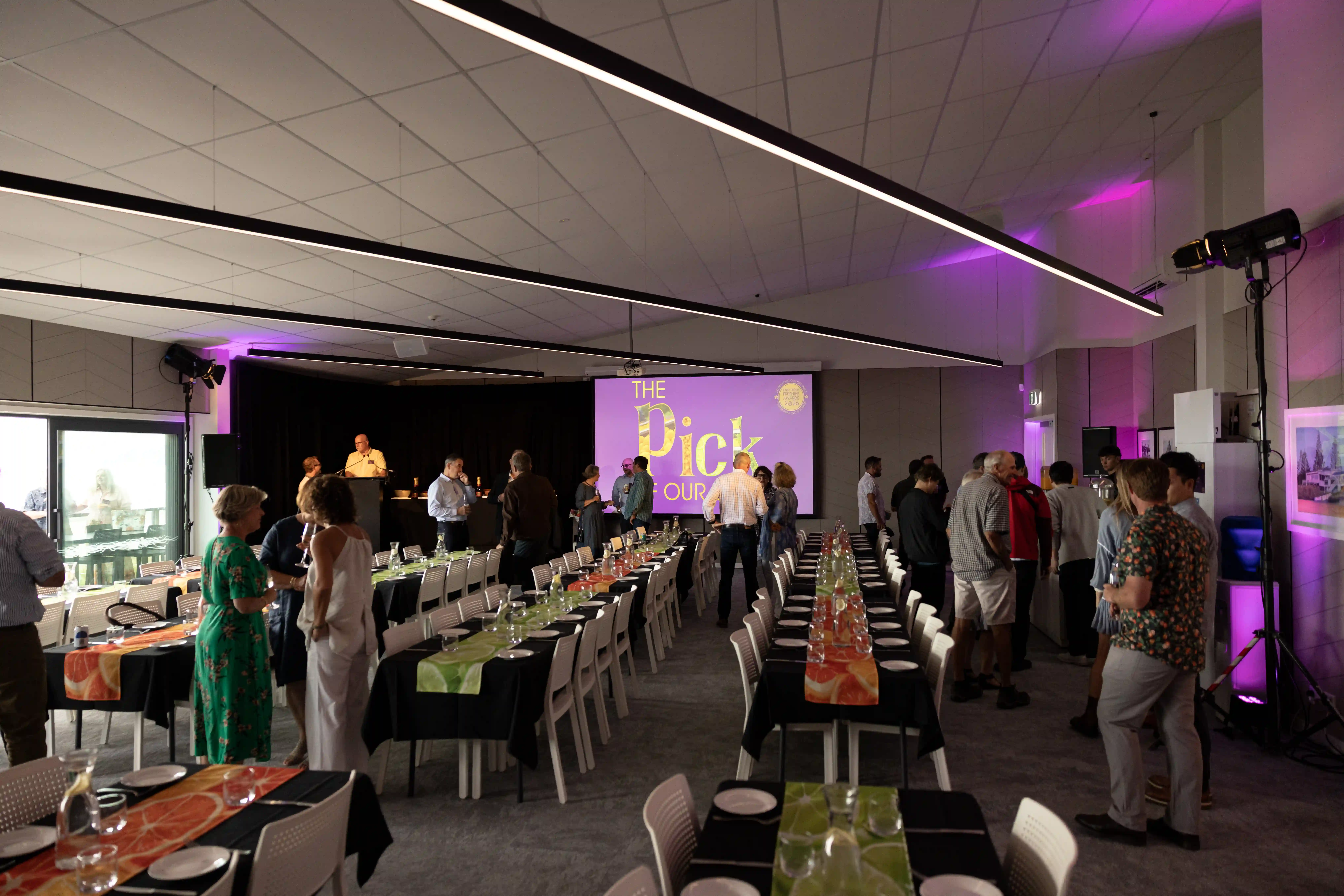
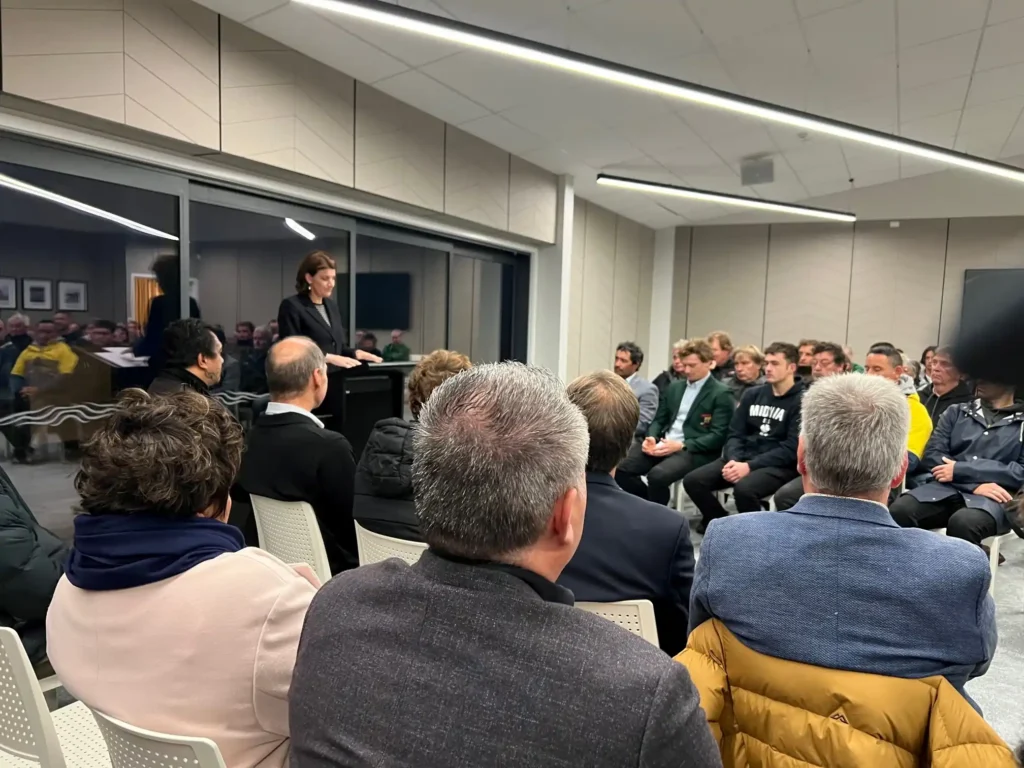
A successful corporate event at Midway Hub – proper planning makes this the norm, not the exception
Two things connect every prevention step: written confirmation and doing it earlier than you think you need to.
If you’re planning an event in Gisborne, our <a href=”/venue-hire-faqs-everything-you-need-to-know/”>venue hire FAQ</a> answers the most common questions. And for a complete walkthrough, see our <a href=”/venue-hire/”>practical guide to venue hire in NZ</a>.
Most event planning problems are preventable. Not with more money, but with better communication, earlier preparation, and realistic expectations.
Three things to remember:
- Budget for what you’ll actually spend, not what you hope to spend
- Confirm everything in writing 48 hours before the event
- Have a Plan B for weather, AV, and your most critical supplier
We’ve seen all 10 of these problems play out in real time. We’ve also seen hundreds of events go perfectly. The difference isn’t luck. It’s preparation.
If you’re planning an event and want a venue that’s upfront about what can go wrong (and helps you prevent it), <a href=”/contact/” rel=”nofollow”>get in touch</a>. We’d rather help you avoid problems than deal with them on the day.
Frequently Asked Questions
What is the most common event planning problem?
Budget blowouts are the most common problem. The average event goes 15-20% over budget because organisers forget smaller costs like AV hire, cleaning bonds, and overtime charges. Build a 15% contingency into your budget from day one and get a fully itemised quote from your <a href=”/venue-hire/”>event venue</a>.
How do you avoid AV problems at events?
Test all technology the day before your event, not the morning of. Bring two copies of every presentation, carry your own adapters (USB-C to HDMI), and ask the venue what AV is included. At <a href=”/mana-moana-lounge-oceanfront-event-venue/”>Midway Hub’s Mana Moana Lounge</a>, an 85-inch display and wireless mic are included.
What should you do if a caterer no-shows?
Have a backup plan before you need one. Confirm final numbers in writing 5 days before and again 48 hours before. Choose a venue with <a href=”/venue-hire-cost-gisborne/”>kitchen access for self-catering</a> so you have options.
How far in advance should you plan an event?
For large events (100+ guests), start 3-6 months ahead. For smaller meetings, 4-6 weeks is usually enough. Our <a href=”/venue-hire-faqs-everything-you-need-to-know/”>venue hire FAQ</a> covers the full booking timeline.
What percentage of RSVPs actually show up?
Expect 70-80% of confirmed RSVPs to attend. For free events, attendance drops to 50-60%. Charging even a small ticket price ($5-$10) filters out non-committal RSVPs and dramatically improves your attendance rate.