Hiring a venue in NZ comes down to five things: matching the space to your event type, understanding what’s included in the price, knowing the right questions to ask before signing, checking the contract properly, and deciding between full-service and BYO dry hire. We run a venue in Gisborne, so we see what goes right and wrong. Here’s what we wish every event organiser knew before booking.
We run Midway Community Hub in Gisborne. We’re a venue, so we’re biased – and we’ll be upfront about that through this whole guide.
But we also see the mistakes. People book spaces without asking about access times. They sign contracts without checking cancellation terms. They budget for the hire fee and forget about the bond, the AV, and the cleaning.
Venue hire in NZ doesn’t need to be stressful. You just need to know what to check, what to ask, and where the hidden costs sit before you sign anything.
This guide covers all of that. Not just for our venue – for any venue you’re considering anywhere in New Zealand. Whether you’re planning a corporate event, a wedding, a community hui, or a birthday, the same principles apply.
We’ll walk you through what to look for, what questions to ask, how costs work, and why the BYO dry hire model is worth knowing about. If another venue type is the better fit for your event, we’ll say so.
What Should You Check Before Hiring a Venue?
Before you visit a single venue, get five things sorted: your event type, your guest count, your preferred date range, your budget ceiling, and whether you need indoor space, outdoor space, or both. Skipping any of these turns your venue search into guesswork.
Your event type drives everything. A 20-person board meeting needs a different space than a 120-person wedding reception. And a community hui with flexible seating has different needs again.
Start with these basics:
- Event type and format – sit-down dinner, cocktail, workshop, ceremony, presentation? The format determines layout, which determines capacity.
- Guest count – be realistic. A venue for 150 feels empty with 40 people. A venue for 60 gets uncomfortable at 80.
- Date flexibility – if you can be flexible on dates, you’ll have more options and often better rates. Saturday nights in summer book months ahead.
- Budget range – know your ceiling before you start looking. Include catering, AV, and decoration in that number, not just the hire fee.
- Indoor/outdoor needs – outdoor ceremonies sound great until it rains. Always check what the wet-weather backup looks like.
Get these five locked in and you’ll rule out the wrong venues fast. That saves time for everyone.
Venue Types in NZ and When Each One Works
Not every space suits every event. Here’s a quick breakdown of the main venue types you’ll find across New Zealand, what they’re good for, and where they fall short.
| Venue Type | Typical Capacity | Best For | Watch Out For |
|---|---|---|---|
| Community hall | 50-200 seated | Fundraisers, hui, school events, large parties | Basic amenities, limited AV, may need your own styling |
| Hotel function room | 30-300 seated | Conferences, corporate dinners, out-of-town guests | In-house catering often mandatory, higher per-head cost |
| Dedicated event venue | 20-200 seated | Weddings, celebrations, corporate events | Varies wildly – check what’s actually included |
| Outdoor/marquee | 30-500+ | Summer weddings, festivals, large gatherings | Weather risk, extra hire costs for furniture and power |
| Boardroom | 4-12 seated | Meetings, workshops, small training sessions | Limited to small groups, not suitable for social events |
Community halls through Auckland Council’s community venue network are among the most affordable options in the country. Most regional councils run something similar. They’re basic but functional.
Hotel function rooms are the opposite end. You’ll pay more, but catering, AV, and coordination are usually handled for you. The trade-off is less flexibility – most hotels won’t let you bring your own caterer or drinks.
Dedicated event venues sit in the middle. Some are full-service, some are dry hire (BYO everything), and some offer both. The key is understanding what’s included before you compare prices. A $1,500 dry hire fee looks more expensive than a $1,200 hotel room until you realise the hotel adds $85 per head for catering on top.
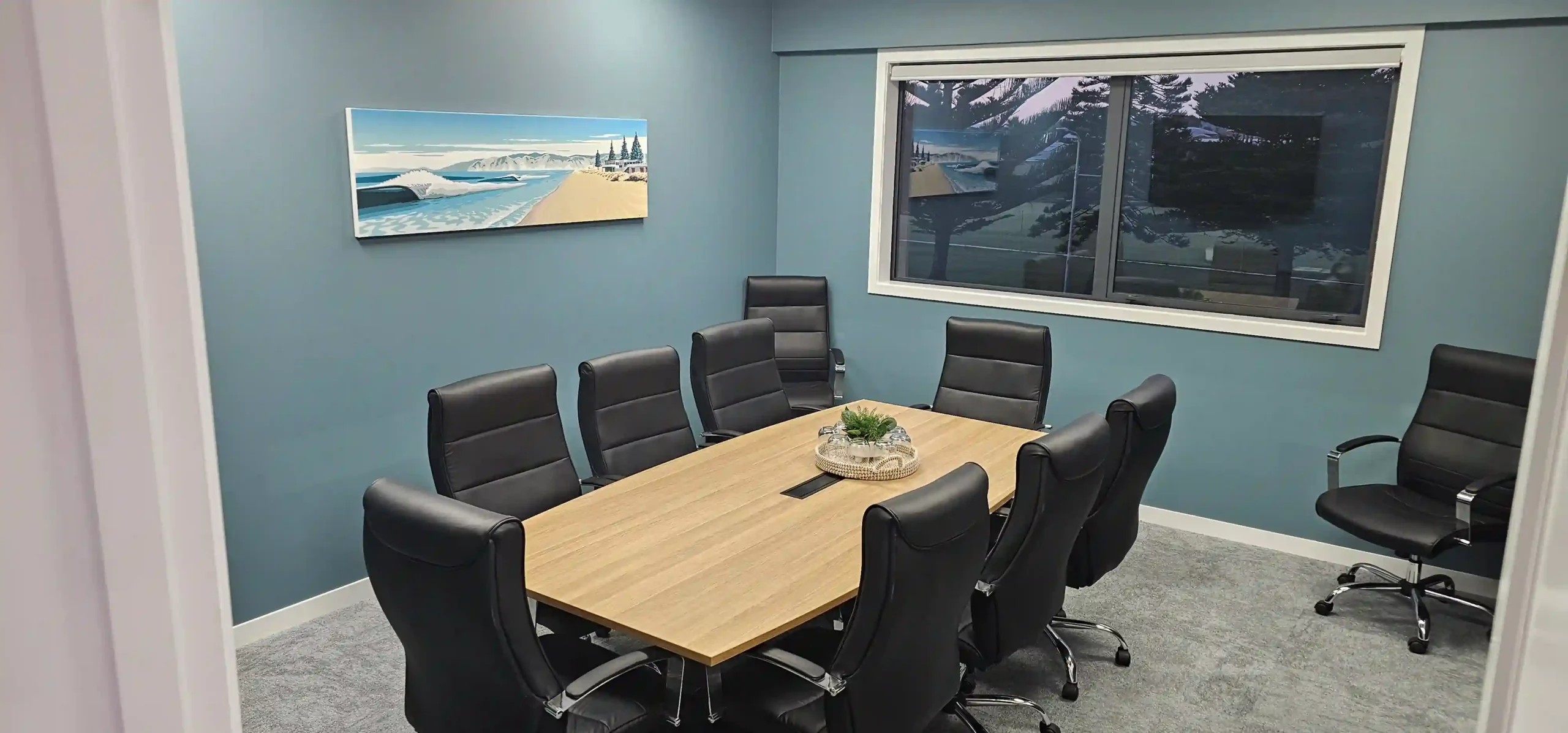
If you’re looking at smaller spaces for meetings, a boardroom hire in Gisborne runs $30-$50 an hour and comes with AV and Wi-Fi included. That’s typical of the boardroom model around the country.
|
|
How Much Does Venue Hire Cost in NZ?
You’re looking at $30-$200 per hour for most NZ venues, depending on the city, the size of the space, and what’s included. A full-day booking for a large function room runs $800-$3,000. BYO dry hire venues sit at the lower end, while all-inclusive packages with catering cost significantly more.
But the hire fee is only part of the picture. Here’s what actually affects your total cost:
| Cost Factor | What It Means | Typical Range |
|---|---|---|
| Base hire fee | The room itself, for a set time | $30-$200/hour or $800-$3,000/day |
| Catering | Food and drinks, in-house or BYO | $40-$120 pp (in-house) or $15-$40 pp (BYO) |
| AV equipment | Projector, screen, microphones, speakers | Often included, sometimes $100-$500 extra |
| Bond/deposit | Refundable security against damage | $200-$1,000 depending on venue |
| Cleaning fee | Post-event clean, especially for BYO | $0-$300 (sometimes included) |
| Overtime | Going past your booked finish time | $50-$200/hour, often not negotiable |
The biggest cost difference comes down to catering model. A BYO dry hire venue where you bring your own caterer and drinks can save you $30-$50 per person compared to a full-service package. For a 100-person event, that’s $3,000-$5,000 in savings.
We see this at our venue all the time. Couples who use a local Gisborne caterer and BYO their own drinks end up spending a fraction of what they’d pay at an all-inclusive venue with set menus. The trade-off? You’re coordinating more yourself. But for many people, that control over the menu and the budget is exactly what they want.
What Questions Should You Ask Every Venue?
Ask these eight questions before you sign anything. They cover the gaps that catch most event organisers off guard – the stuff that’s not always in the brochure.
According to NZVenues’ booking guide, the questions you ask upfront directly affect how smooth your event runs on the day. We’d agree. Here are the ones that matter most:
- What’s included in the hire fee? Tables, chairs, AV, kitchen access? Get this in writing. “Included” means different things to different venues.
- What are the exact access times? When can you start setting up, and when do you need to be out? Setup time matters more than you think.
- What’s the cancellation policy? Some venues refund your deposit if you cancel 30 days out. Others keep it regardless. Know before you pay.
- Are there noise restrictions or curfews? Especially for evening events. Council rules vary by area and can shut your music down at 10pm.
- Can you BYO catering and drinks? If yes, ask about kitchen access, waste disposal rules, and whether you need a special licence for serving alcohol.
- What’s the maximum capacity for YOUR layout? A venue seats 120 for theatre-style. That drops to 80 for a sit-down dinner with a dance floor. Ask for the capacity in your specific layout.
- What insurance or liability cover is required? Some venues require public liability insurance from the hirer. Others carry their own. Don’t assume.
- What happens if something goes wrong on the day? Who’s the contact? Is there someone on-site? What’s the backup plan for power, weather, or AV failure? Our guide to <a href=”/event-planning-problems/”>the 10 most common event planning problems</a> covers each of these in detail.
Pro tip: Print that list. Take it to every venue visit. The answers will tell you more than any brochure.
How Does BYO Dry Hire Work in NZ?
BYO dry hire means you’re renting the space and nothing else. You bring your own caterer, your own drinks, your own decorations, and you manage the setup and pack-down yourself. It’s the most affordable way to hire a venue in NZ, and it gives you full control over every detail of your event.
Here’s how it stacks up against full-service:
| BYO Dry Hire | Full-Service Venue | |
|---|---|---|
| What you get | The space, basic furniture, maybe AV | Space + catering + staff + coordination |
| Typical cost | $500-$2,000/day + your own suppliers | $2,000-$8,000+ depending on guest count |
| Catering | Choose your own caterer or DIY | Set menu from venue’s kitchen or approved list |
| Drinks | BYO – buy at retail prices | Venue bar at per-drink or package pricing |
| Flexibility | Total control over styling, menu, timing | Less flexibility, but less to coordinate |
| Who it suits | Hands-on organisers who want choice | People who want one point of contact |
The savings on drinks alone are significant. Buying wine and beer at retail and serving it yourself can cost $15-$20 per person. The same drinks through a venue bar often run $40-$60 per person.
The catch? You’re the project manager. Kitchen access, waste disposal, who brings the plates, who cleans up – that’s all on you. Some people love that control. Others find it stressful.
If you’ve got a good caterer and a capable friend or family member to help coordinate, dry hire is hard to beat on value. If you’d rather hand everything over and just show up, full-service makes sense even at the higher price.
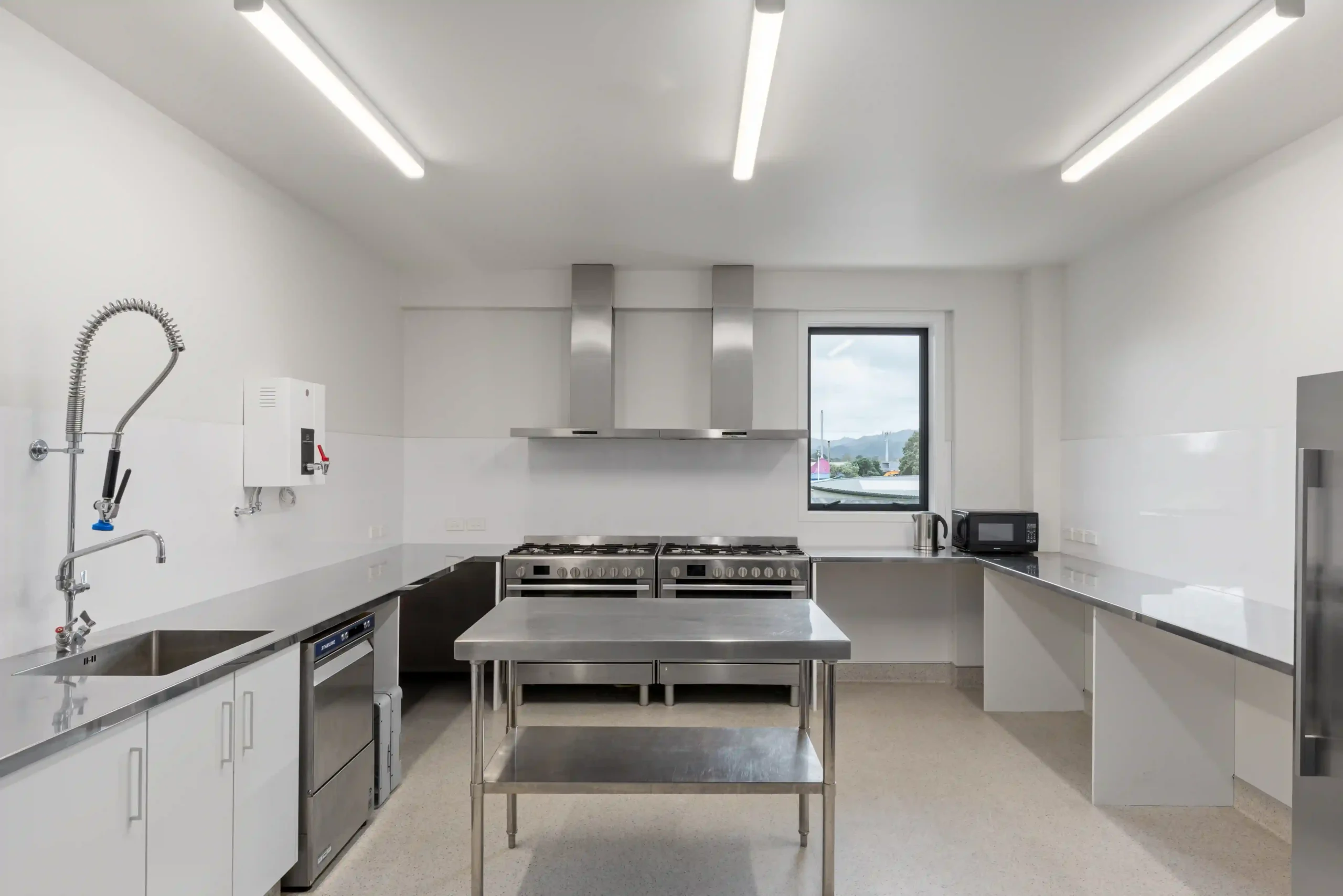
For a working example of BYO dry hire, our venue hire in Gisborne page shows how the model works at Midway Hub – kitchen access, BYO drinks, and flexible layouts for up to 140 guests.
What Should a Venue Hire Agreement Include?
You’ve found a venue you like. Before you pay the deposit, read the contract. Every word.
A venue hire agreement protects both you and the venue. According to LegalVision NZ’s guide to venue hire agreements, a proper agreement should cover at minimum:
- ✓Venue description and access areas – exactly which spaces you’re hiring and which areas are off-limits
- ✓Event dates, start and finish times – including setup and pack-down windows
- ✓Hire fee, deposit amount, and payment schedule – when each payment is due and whether GST is included
- ✓Cancellation terms – what you get back if you cancel, and at what notice period
- ✓Liability and insurance requirements – who’s responsible for damage, injury, or third-party claims
- ✓Bond or security deposit – how much, when it’s returned, and what can be deducted
- ✓BYO and catering rules – kitchen access, waste disposal, alcohol licensing requirements
- ✓Cleaning expectations – what condition the venue needs to be left in
If the venue doesn’t offer a written agreement, that’s a red flag. Sprintlaw NZ recommends that every venue hire arrangement has a signed contract, even for community bookings. It protects both sides if something goes wrong.
Read it before you sign. Ask about anything that’s unclear. And keep a copy.
Why Gisborne Is Worth a Look for Your Next Event
You probably weren’t expecting a venue hire guide to pitch Gisborne. But hear us out.
Most people default to Auckland, Wellington, or Queenstown for events. Those cities have great venues and plenty of options. They also have higher prices, packed calendars, and accommodation that books out fast during peak season.
Gisborne sits on the Tairawhiti coastline – the first place in the world to see the sunrise. It’s a wine region with beaches, bush, and a community that actually shows up for events. Venue hire costs less here than in the main centres, and you’re not competing with 50 other events for the same weekend.
Max Capacity
140 guests
Ocean Views
180 degrees
Catering Model
BYO Dry Hire
Parking
Free on-site
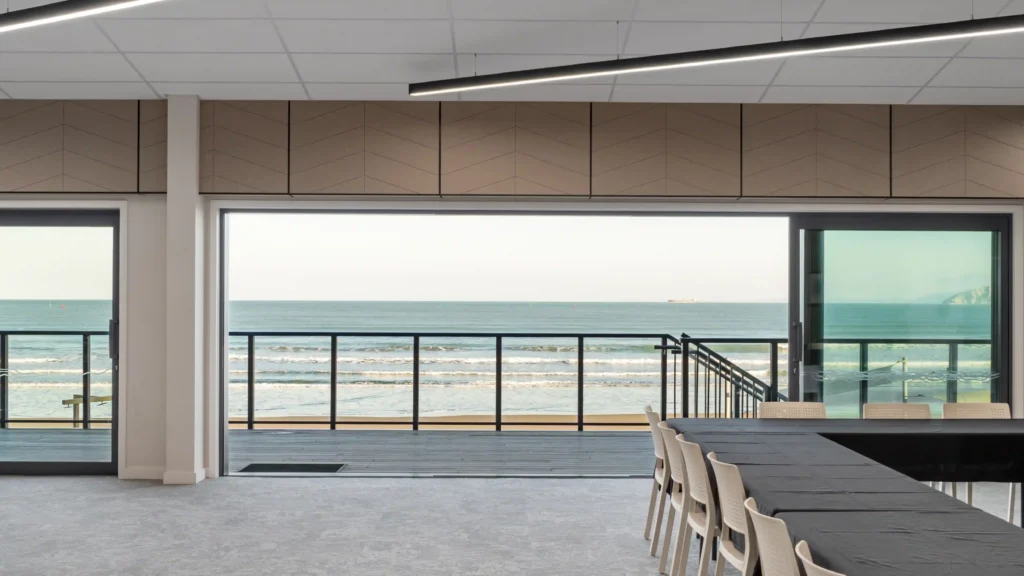
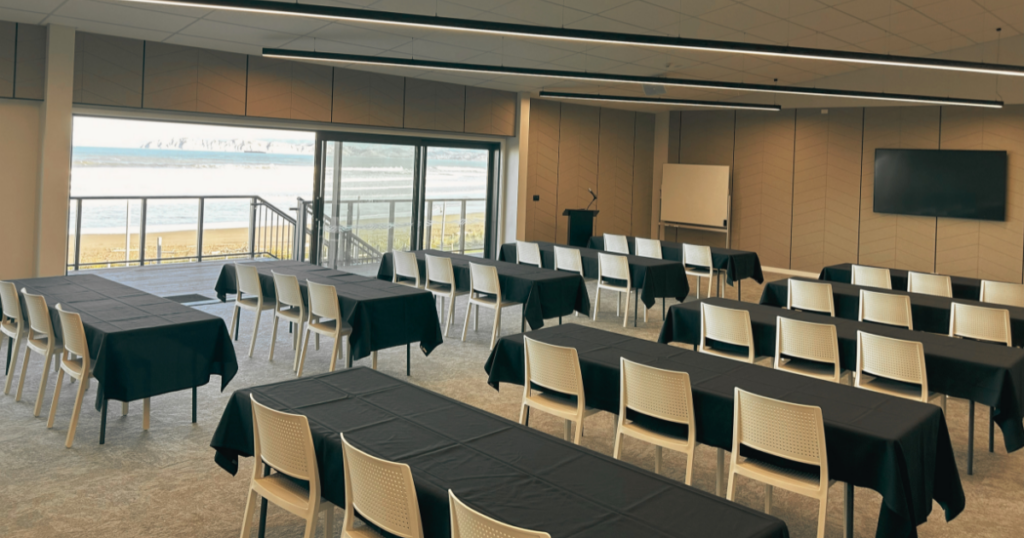
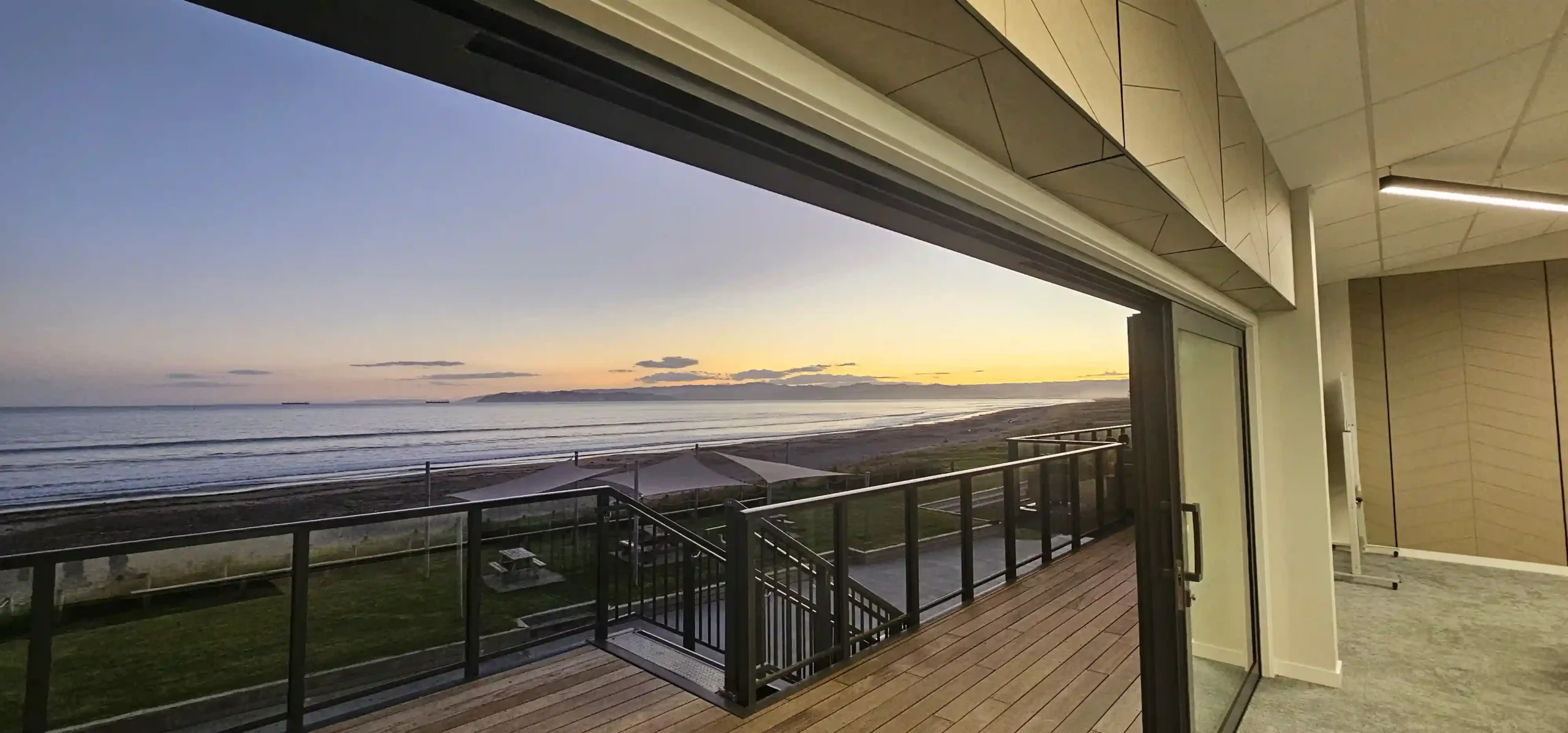
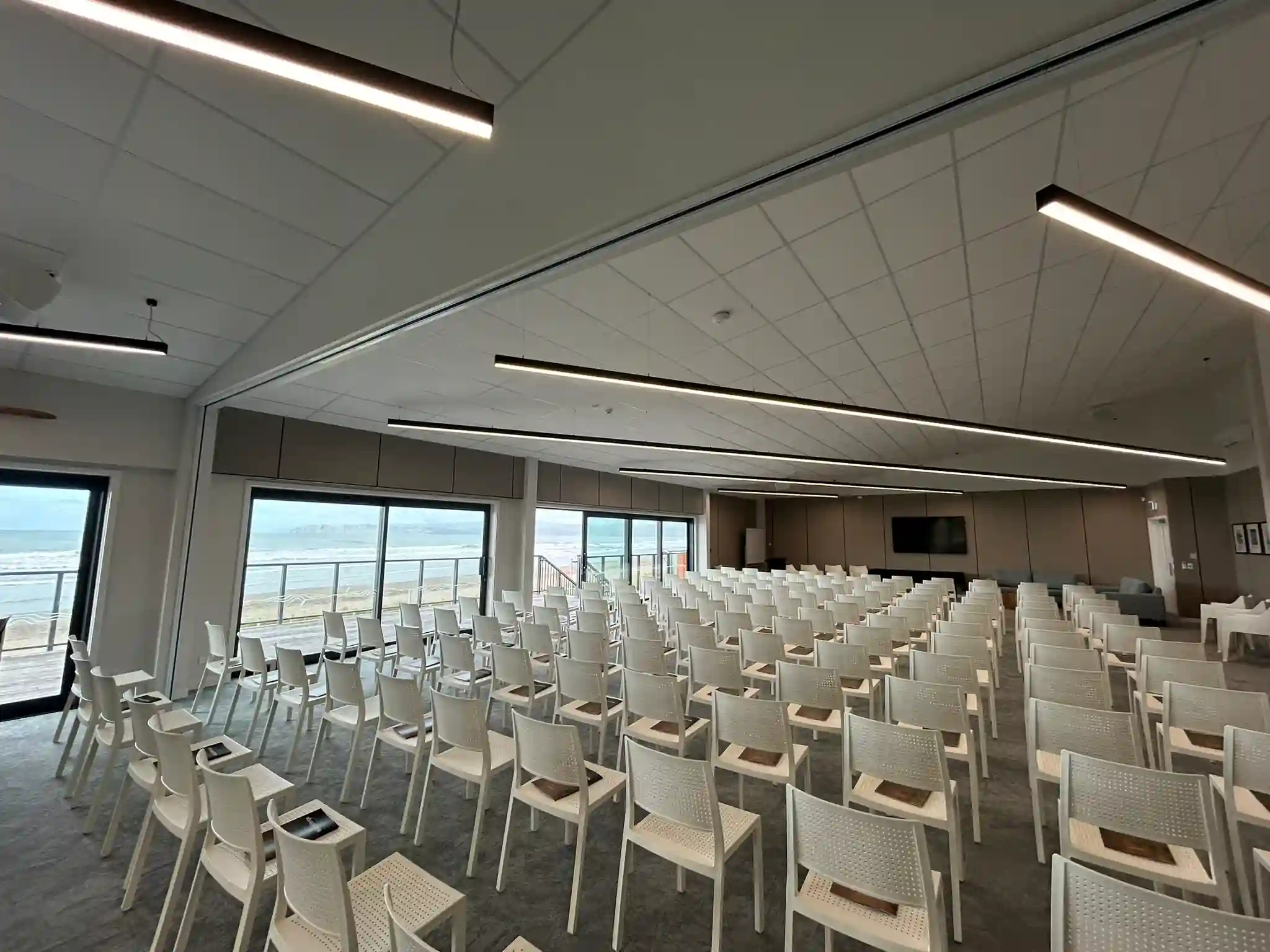
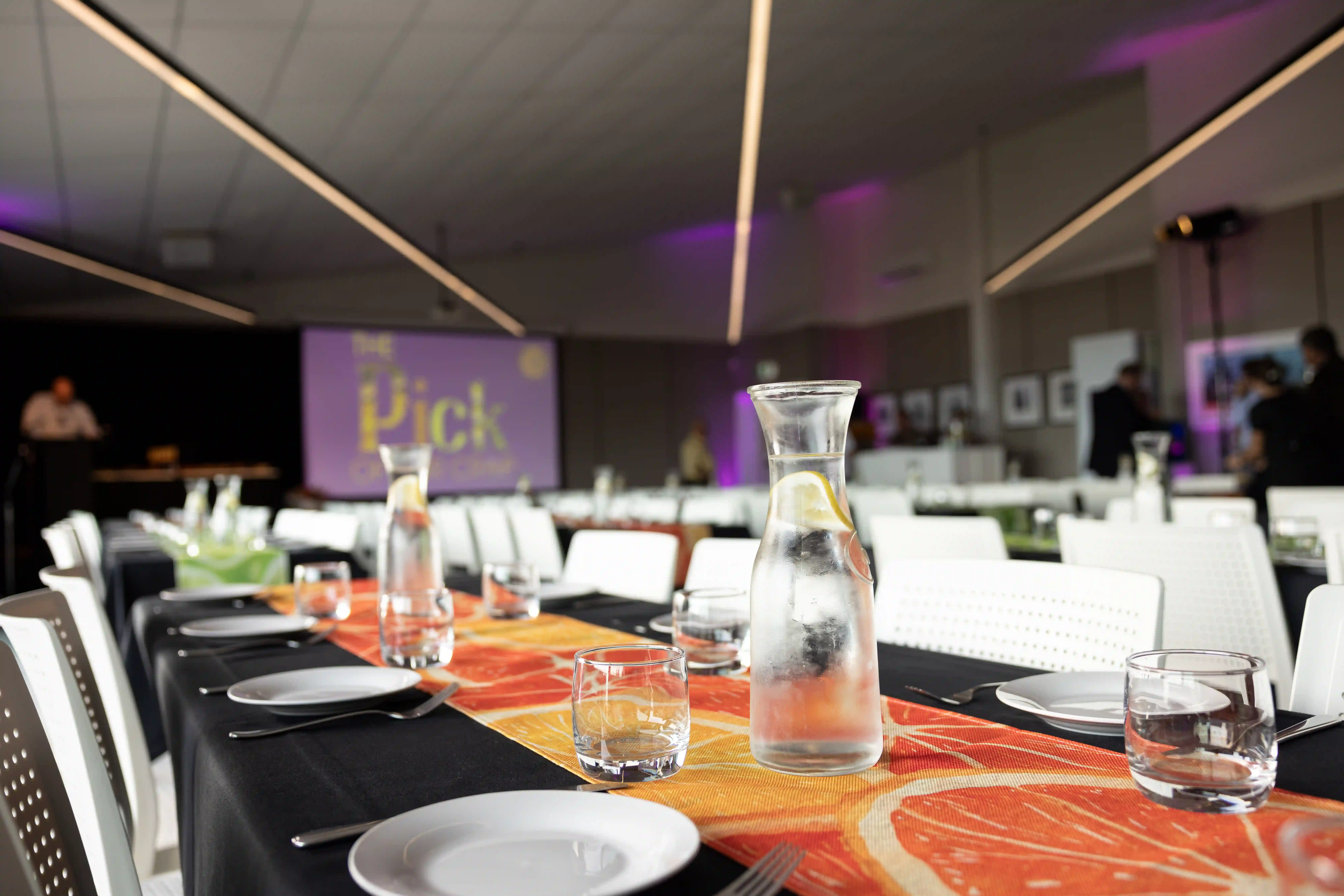
At Midway Hub, our Mana Moana Lounge seats up to 140 guests with 180-degree ocean views. It’s BYO dry hire, so you bring your own caterer and drinks. The commercial kitchen is big enough for professional caterers to work in properly. And there’s free parking, Wi-Fi, AV, and accessible facilities included.
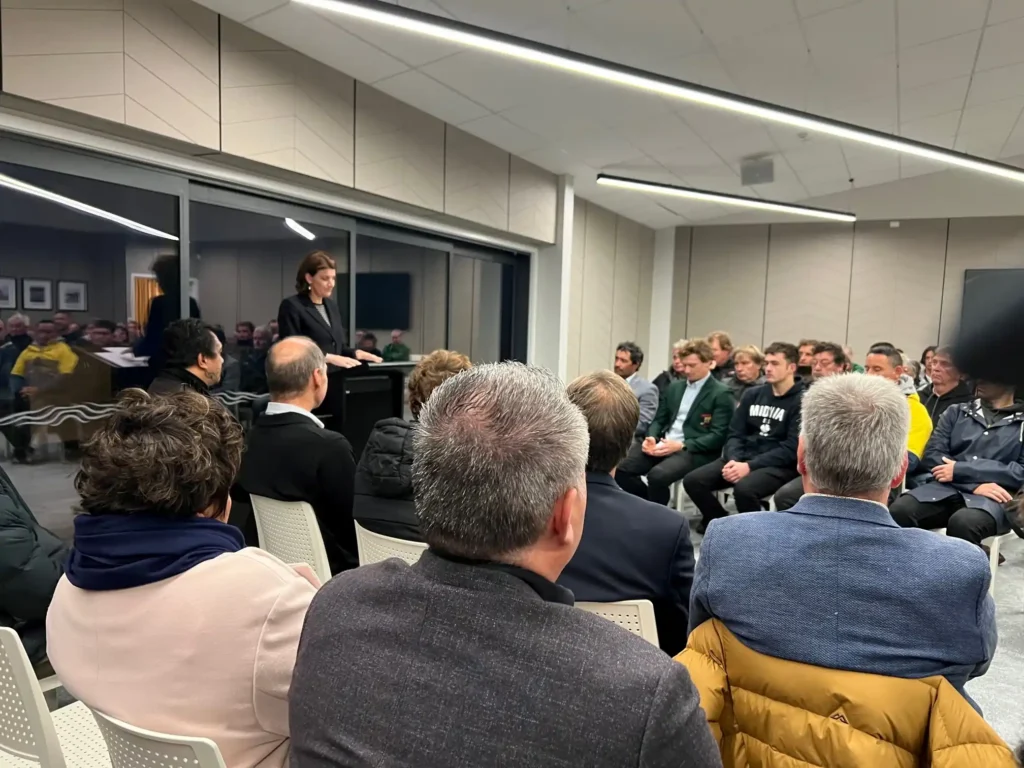
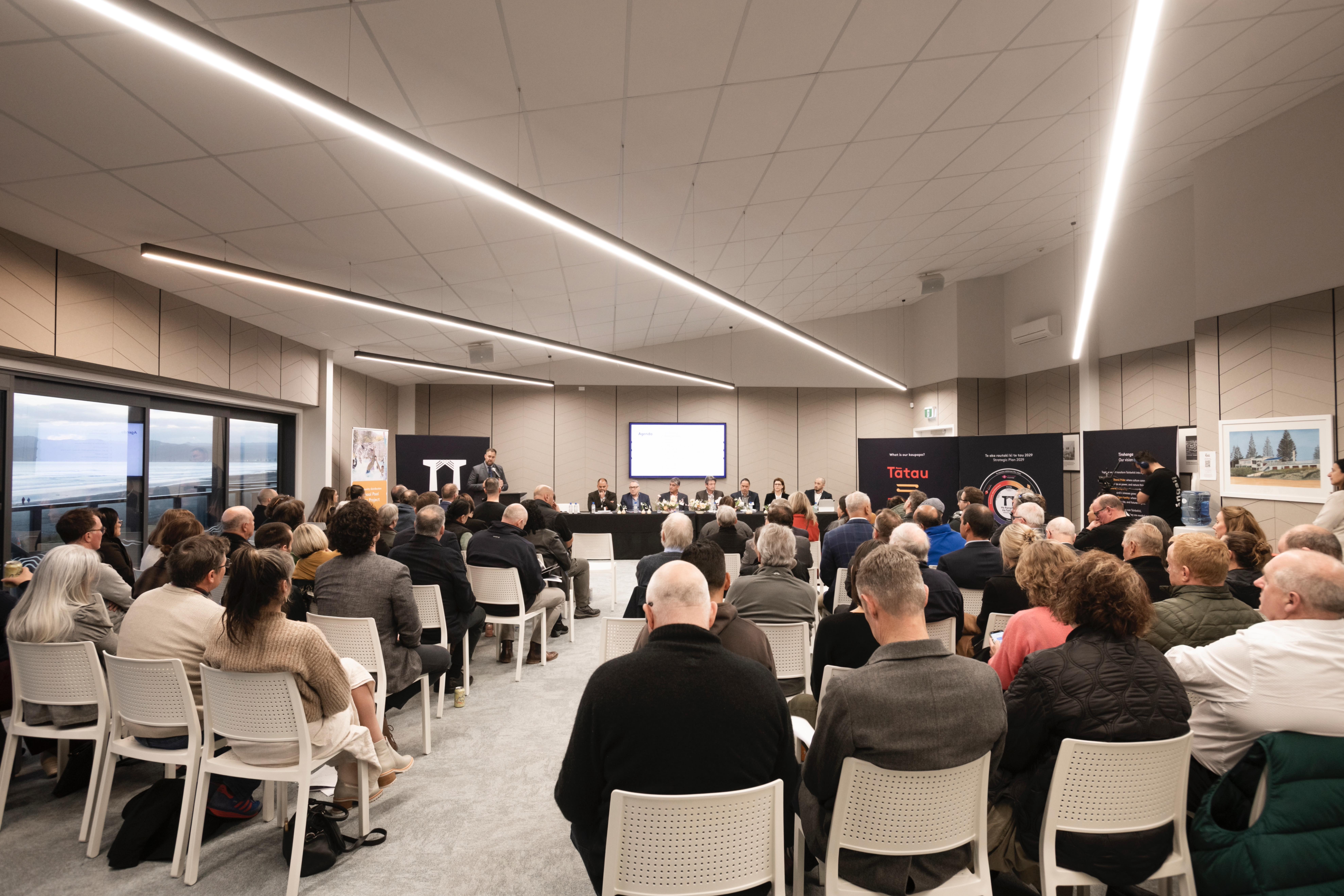
We host corporate events, weddings, community hui, and everything in between. But whether or not Gisborne is right for your event, the principles in this guide apply everywhere.
If you’re planning something in the region, or you’re open to looking beyond the main cities, the east coast is worth putting on your list.
Three things to take away from this guide:
- Know your five basics before you visit – event type, guest count, dates, budget, indoor/outdoor. Everything else flows from these.
- Ask the eight questions – especially about what’s included, cancellation terms, and access times. Print the checklist and bring it.
- Understand the catering model – BYO dry hire saves thousands but means more coordination. Full-service costs more but takes the pressure off. Neither is better. It depends on what you want.
Venue hire in NZ is straightforward once you know what to look for. The venues that make it easy are the ones that answer your questions honestly, put everything in writing, and don’t hide costs in the fine print.
If you’re looking at Gisborne or the East Coast for your next event, we’d love to chat. Get in touch with Midway Hub to check availability and talk through what you need.
Frequently Asked Questions
What do you need to know about hiring a venue in New Zealand?
You need to confirm five things before booking any venue in NZ: the space suits your event type and guest count, the hire fee includes what you expect, the contract covers cancellation and liability, access times allow enough setup and pack-down, and the catering model (BYO or full-service) fits your budget. Always get a written agreement and check for hidden costs like bonds, cleaning fees, and overtime charges.
How far in advance should you book a venue in NZ?
For weddings and large celebrations, book 6-12 months ahead, especially for Saturday nights in summer. Corporate events and conferences typically need 2-4 months lead time. Community events and small meetings can often be booked 2-6 weeks out, depending on the venue. Popular venues in Auckland and Queenstown book further ahead than regional centres.
What’s the difference between dry hire and full-service venue hire?
Dry hire means you rent the space only and arrange everything else yourself – catering, drinks, decorations, and coordination. Full-service means the venue handles catering, drinks, staff, and often coordination as well. Dry hire is cheaper but requires more planning. Full-service costs more but gives you a single point of contact. Most BYO venues in NZ operate on a dry hire model with kitchen access included.
Can you BYO food and drinks at most NZ venues?
Not all venues allow BYO. Hotels and some dedicated event venues require in-house catering. Community halls, many dedicated function rooms, and dry hire venues typically allow BYO with kitchen access. If you’re bringing your own alcohol, check whether you need a special licence – this depends on the type of event and whether tickets are sold. Always confirm BYO terms in writing before booking.
What insurance do you need for a venue hire event?
Many NZ venues require hirers to hold public liability insurance, typically $1-2 million cover. Some venues include this in their hire fee, while others require you to arrange your own policy. Event insurance is available through brokers like Crombie Lockwood and typically costs $150-$500 depending on event size. Check what the venue requires and confirm whether their own policy covers your event or just their property.